
50 Best things to do in Somerset: A Local’s Guide

Last updated: May 2026
While everyone else hotfoots it to Devon, Cornwall and the Cotswolds, Somerset gets on with quietly being the most underrated county in England.
I should know. After five years dragging my own family up tors, into caves, around stately homes and out for one too many pints of cider, I have come to the conclusion that the best things to do in Somerset are not lurking on any glossy “top 10 UK weekends” list. They are tucked behind hedgerows, down lanes signposted in proper Somerset slant, and inside cathedrals where the swans run the place.
This is my local’s guide to the 50 best things to do in Somerset in 2026, grouped by mood (soggy Sundays, sun-soaked weekends, half-term wrangling, grown-ups-only escapes) so you can find what you need.
From millennia-old caves to legend-laced hillocks, world-class galleries to seaside villages, family-friendly animal parks, stately homes, iconic views, ancient castles, coastal days out, sensational gardens and historical attractions, Somerset’s varied landscape offers all kinds of adventures.
If you’d like to delve deeper into certain areas of the county, make sure you take a look at my guides to 37 Things to do in South Somerset with kids, 28+ Things to do in North Somerset and more – lots are linked below.
Looking for the top things to see and do in the area? Here are the best places to visit in Somerset.
Hi, I’m Angharad, freelance travel writer, Somerset local and the founder of Down Somerset Way. Come say hi on Instagram or join the Down Somerset Way Facebook group. I love a recommendation swap.
Quick navigation: jump to a section
- The best of Somerset at a glance
- Best things to do in Somerset for families
- Iconic views and hills
- Castles and historic places
- Heritage railways and museums
- Stately homes and gardens
- Cool, cultural Somerset
- The Somerset coast
- A perfect two-day Somerset itinerary
- Where to stay in Somerset
- Best places to eat and drink
- When to visit Somerset
- How to get around
Best things to do in Somerset for families
If you have got little legs in tow, these are the days out that have earned their place in our family rotation. Each one has been tested through wet wellies, soggy sandwiches and at least one tantrum.
1. Wookey Hole Caves
Best for: all-weather days, dinosaur-mad kids and those who like a bit of adventure.
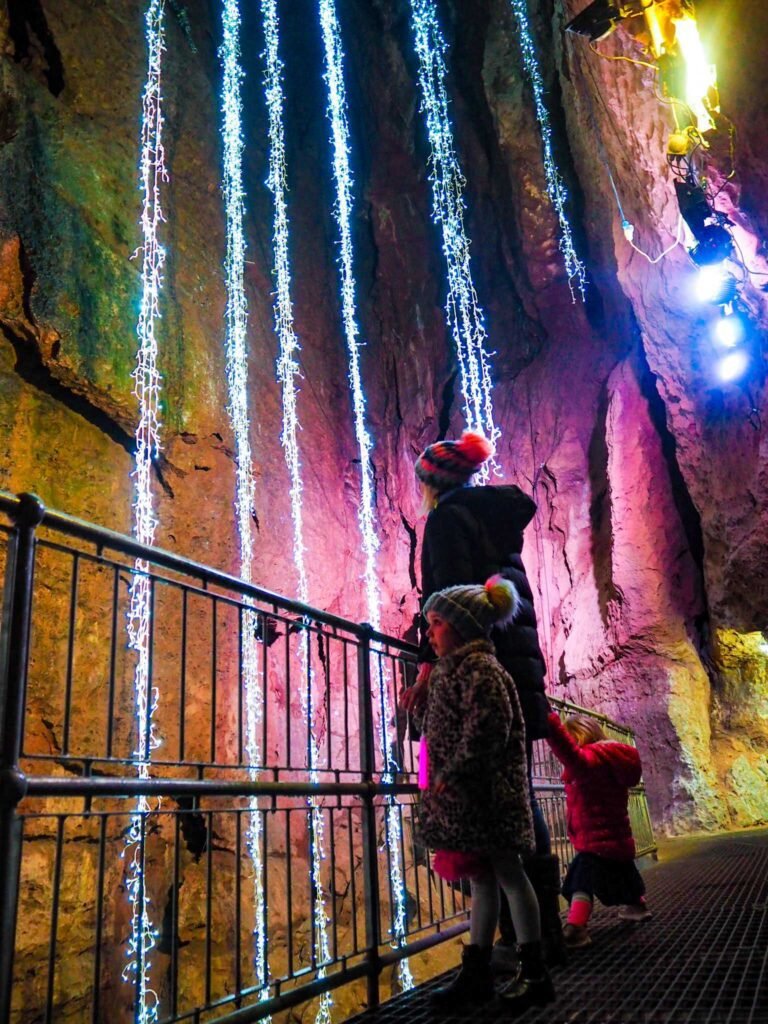
On the edge of the Mendip hills near Wells, Wookey Hole is the largest cave system in the UK and one of the spookiest places to go in Somerset thanks to its infamous resident, the Witch of Wookey. Legend has it she holed up in here in the caves during the Dark Ages and was blamed for a number of woes, before being turned to stone by the Abbott of Glastonbury. If you look carefully, her witchy figure can be seen, frozen for all time under the earth at Wookey Hole.
Above ground there is enough to fill a family day out: animatronic dinosaurs, a 4D cinema, daily circus shows, gigantic soft play and a Victorian-style penny arcade.
Check ticket prices and book Wookey Hole entry →

2. Cheddar Gorge and Caves
Best for: show-stopping scenery, intrepid families, cheese lovers, keen hikers.
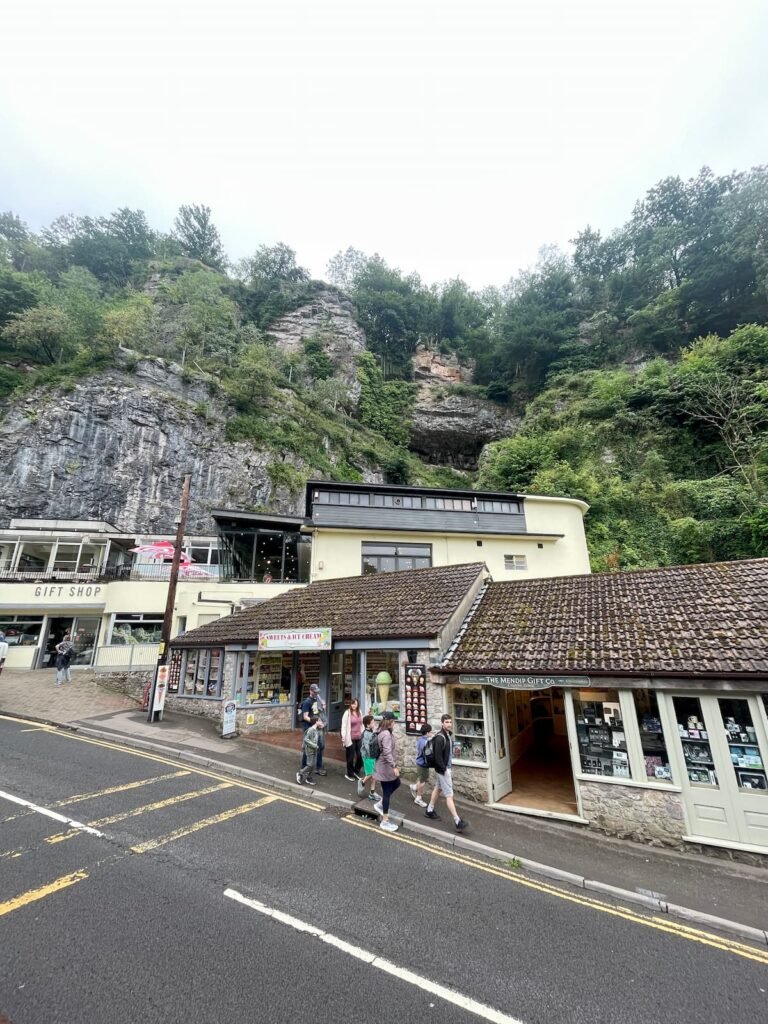
Cheddar Gorge is Britain’s biggest gorge and one of the wonders of the West Country. Gouged out of the Mendips, its ragged cliffs, dramatic pinnacles and far-reaching countryside views make it one of the most spectacular natural sights in Somerset. Head up to the hilltop walk to drink in the incredible views.
Beneath the ground, there are even more wonders to take your breath away. Cheddar Caves is the site where, in 1903, Britain’s oldest complete human skeleton (Cheddar Man) was found, dating back a staggering 9,000 years. Visitors can explore Gough’s Cave and Cox’s Cave, the latter offering a sparkling multimedia journey that feels like stepping into another world. For those seeking even more adventure, there is Jacob’s Ladder, a climb of 274 steps that rewards you with sweeping views of the gorge. If you are craving real exhilaration, pre-book caving, rock climbing or the daring Black Cat Freefall.
Don’t miss: Cheddar Gorge Cheese aged underground in the caves. Walking out of the High Street without a wheel should be illegal.
Local insight: Longleat members get free entry. Park at the top of the gorge if you can, the views on the walk down are unbeatable.
Book Cheddar Gorge and Caves entry →


3. Avon Valley Adventure and Wildlife Park
Best for: under-eights, themed school holiday events, big-energy days.
Set in a beautiful riverside park, Avon Valley has a winning formula for young families: animals, rides (tractor, spinning chairs, jeeps, boats and a miniature train), a jumping pillow, playgrounds and indoor soft play.
During school holidays the park puts on themed events, enchanted trails (we have got up close to an actual unicorn, well, a pony with a rainbow mane, but still), lambing weekends, meet-and-greets with beloved characters, and a Christmas extravaganza that has become a Bath and Bristol family fixture.
Local insight: Book tickets online for a small saving and arrive at opening time.


4. Puxton Park
Best for: one big day out, mixed-age siblings, all-weather fun.
Surrounded by 40 acres of rolling countryside, Puxton Park is jam-packed with things to do. Outside there are tractor rides, a bouncing pillow, trampolines, a miniature train, crazy golf, playgrounds, bumper boats, a pedal kart track, diggers, a boating lake and water activities, dodgems-style cars, a high ropes course and all kinds of animals to meet.
Inside, you will find indoor soft play, animals to pet in the discovery barn, a couple of restaurants and a farm shop. Your biggest problem is trying to fit it all into one day.


5. Chew Valley Animal Park
Best for: animal-mad youngsters, spring lamb season, sweeping countryside.
In the heart of Mendip countryside, Chew Valley Animal Park is one of the cutest places to visit in Somerset for young animal lovers, especially in spring when the lambs and tiny piglets arrive. Visitors can step into the paddocks once the baby goats are born in mid-February, and there is a Guinea Pig village in the warmer months, plus an outdoor play area, lots of other animals to see and beautiful views over Chew Valley lake.
Read next: 19 best animal days out in Somerset

6. Barleymows, near Chard
Best for: summer holidays, younger kids.
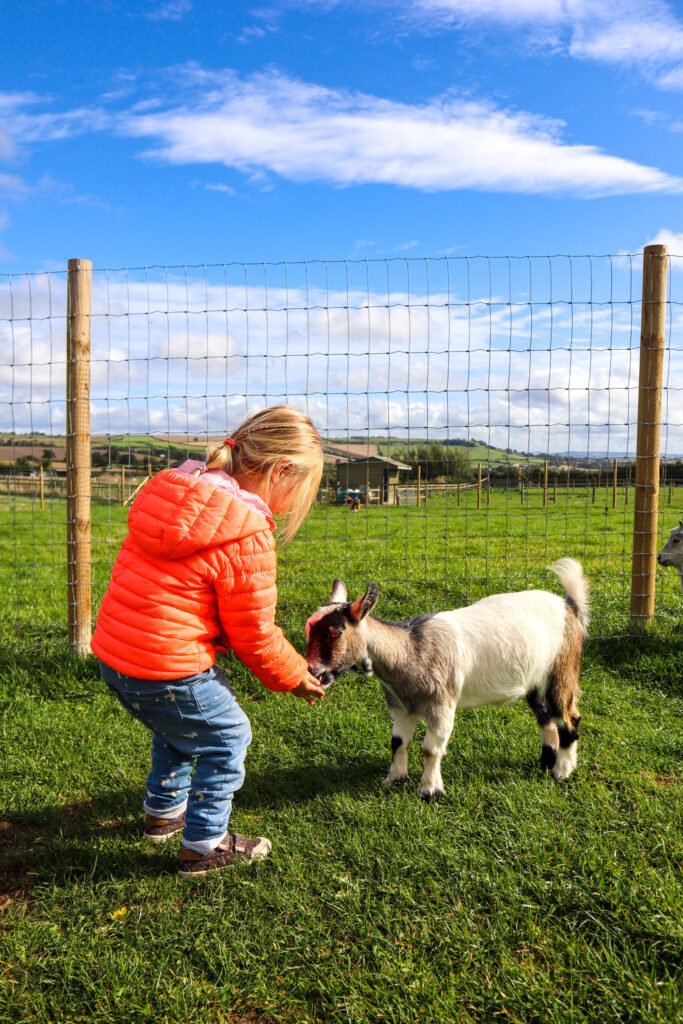
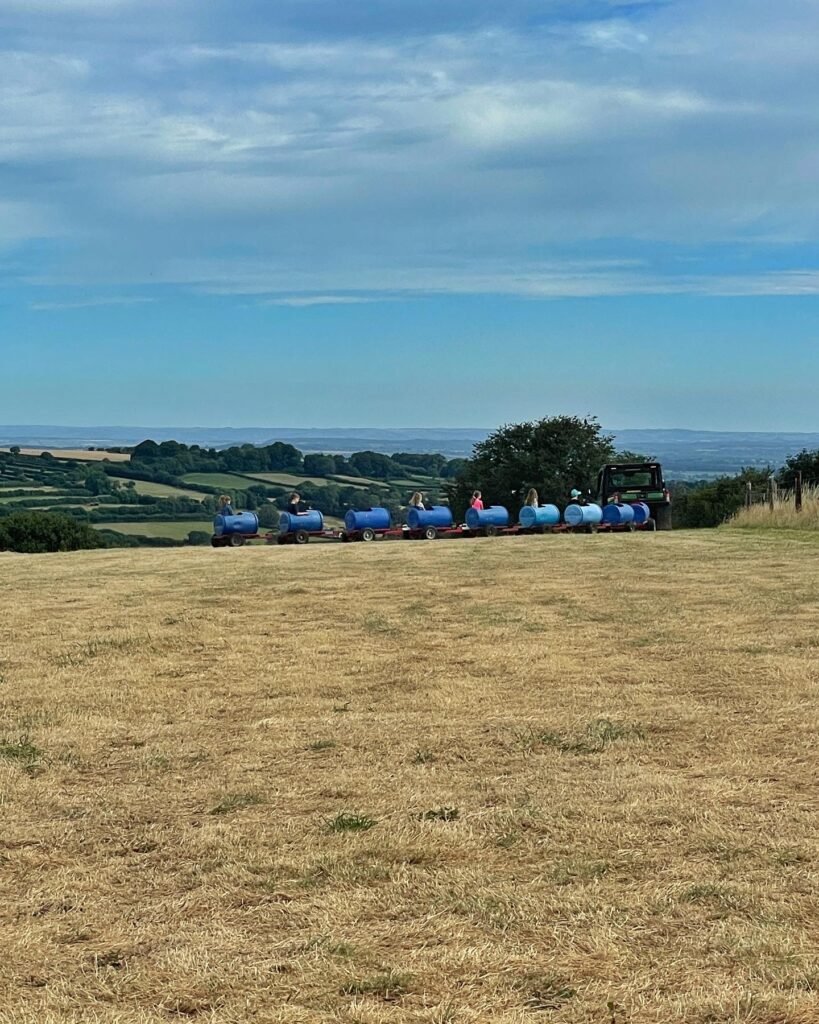
If you’re seeking family-friendly places for kids of different ages, Barleymows is a great option. A farm shop and cafe with a maize maze and a serious family activity side-hustle from July to September. Trampolines, ball games, outdoor play equipment, ride-on tractors, go karts, a zip line, barrel train, straw mountain (with tunnel and slides) and animals provide endless entertainment for youngsters big and small.
Plus, there are stupendous views across the valley, an on-site cafe and excellent farm shop that only sells its own produce or products from within a 25 mile radius.
Read next: 19 best farm shops in Somerset



Somerset’s Iconic views and hills
Somerset’s landscape does drama like nowhere else in the south-west. Big skies, flat moors, sudden hills topped with ruined towers, perhaps a sea of mist. These are the views worth seeing!
7. Glastonbury Tor
Best for: a quick stop with a knockout view, sunrise photographers, walkers.
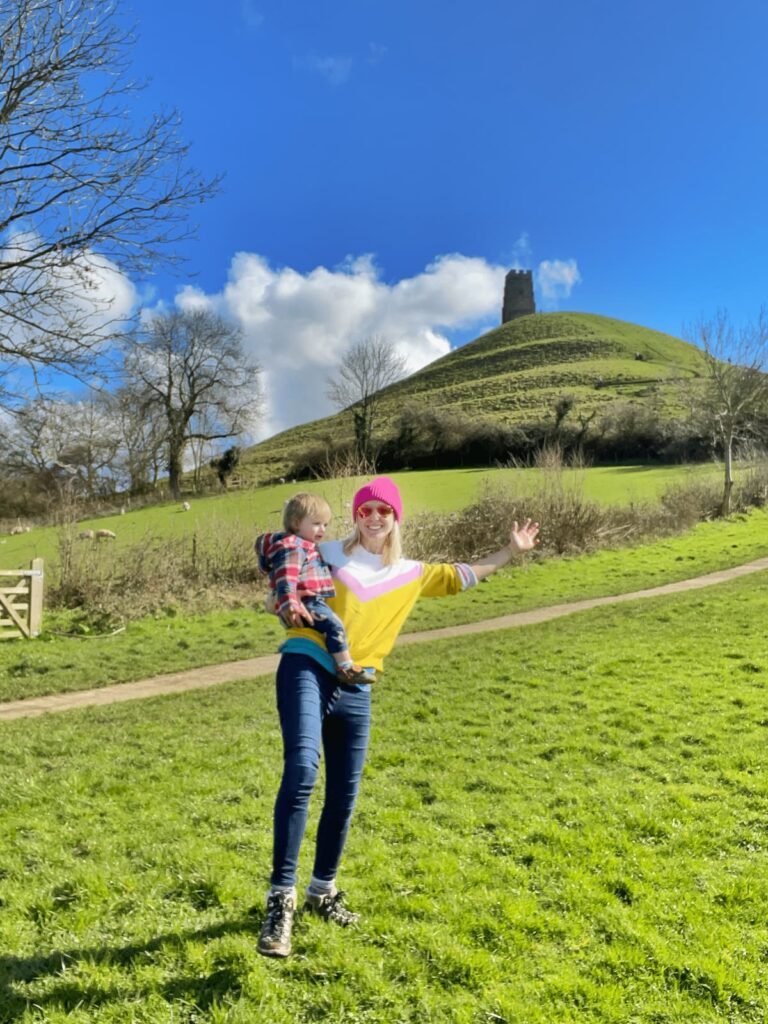
The most iconic of Somerset’s natural landmarks, thanks to the mystical folklore that swirls around this particular Somerset hillock. Topped with a ruined 14th century church tower, Glastonbury Tor is one of England’s most spiritual sites and has bewitched the pious for centuries. Over time, myth has mingled with historical fact, linking King Arthur, Avalon, Jesus Christ, the Holy Grail and magical ley lines to this sacred Somerset landscape.
To add to its allure, the Tor (a tiered cone-shaped grassy hill bulging 158 metres from the largely flat Somerset Levels) has stonking 360-degree views from the top. A must-visit.
Read next: 13 best things to do in Glastonbury


8. Burrow Mump
Best for: golden-hour photos, atmospheric short walks, a characterful alternative to the Tor.
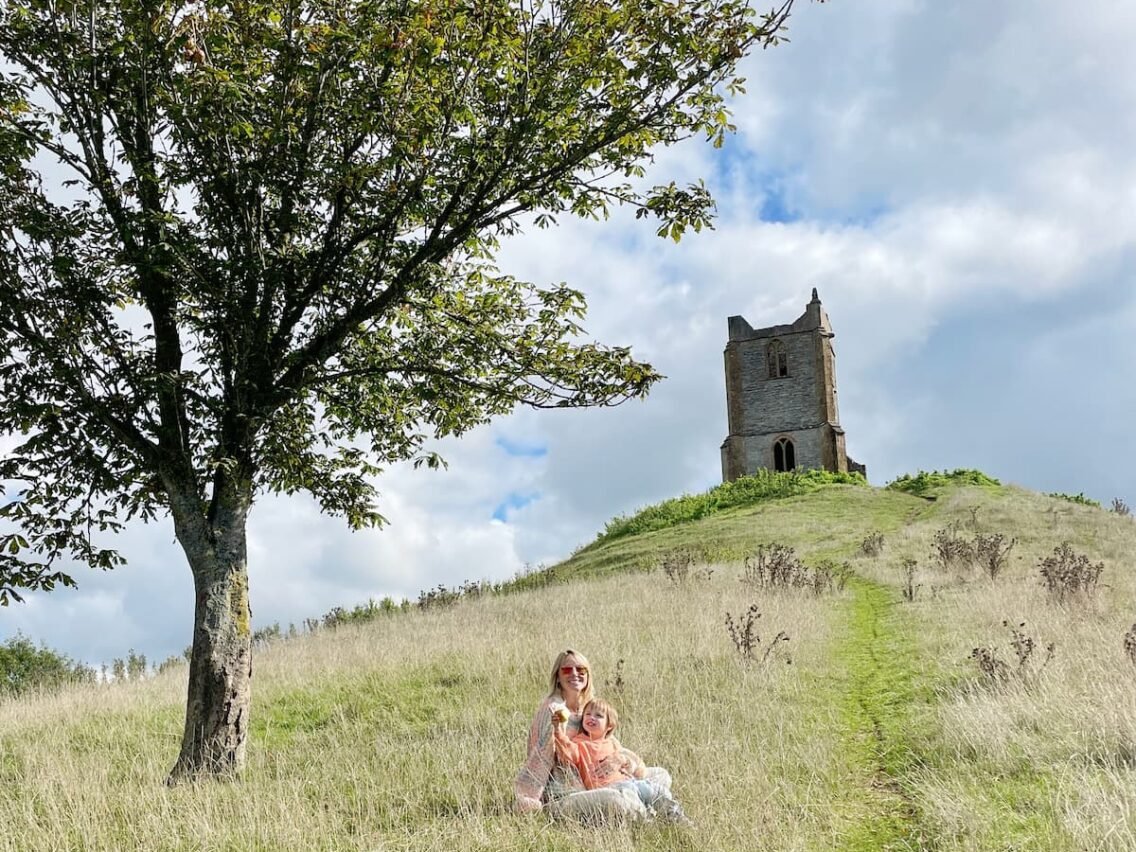
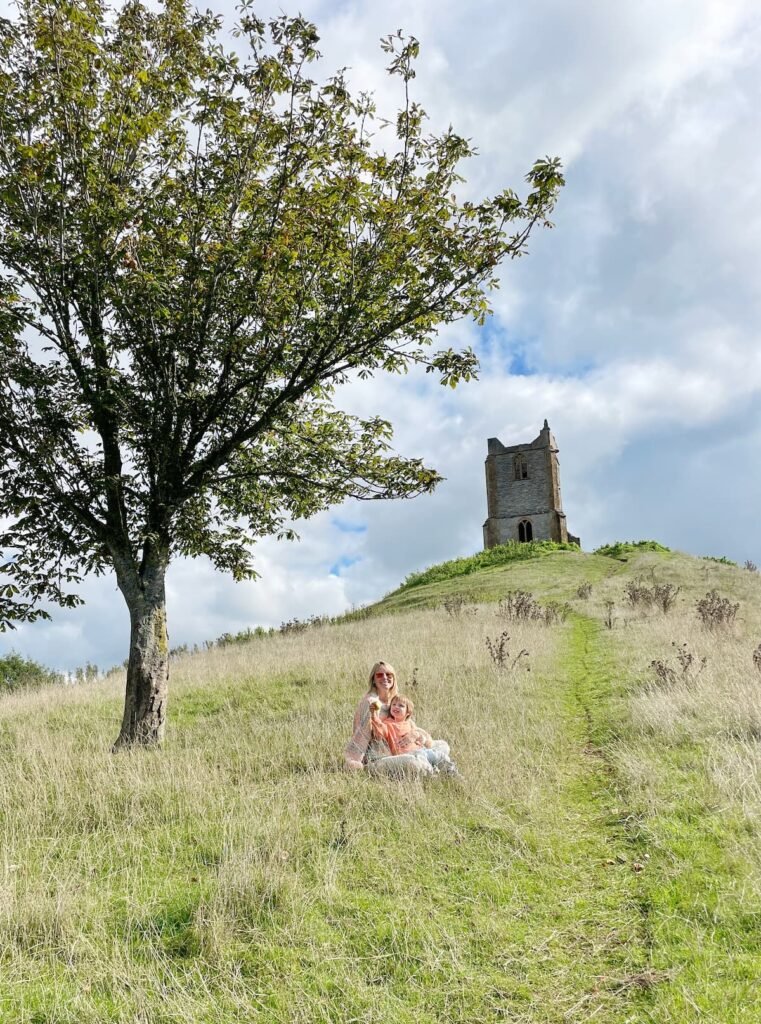
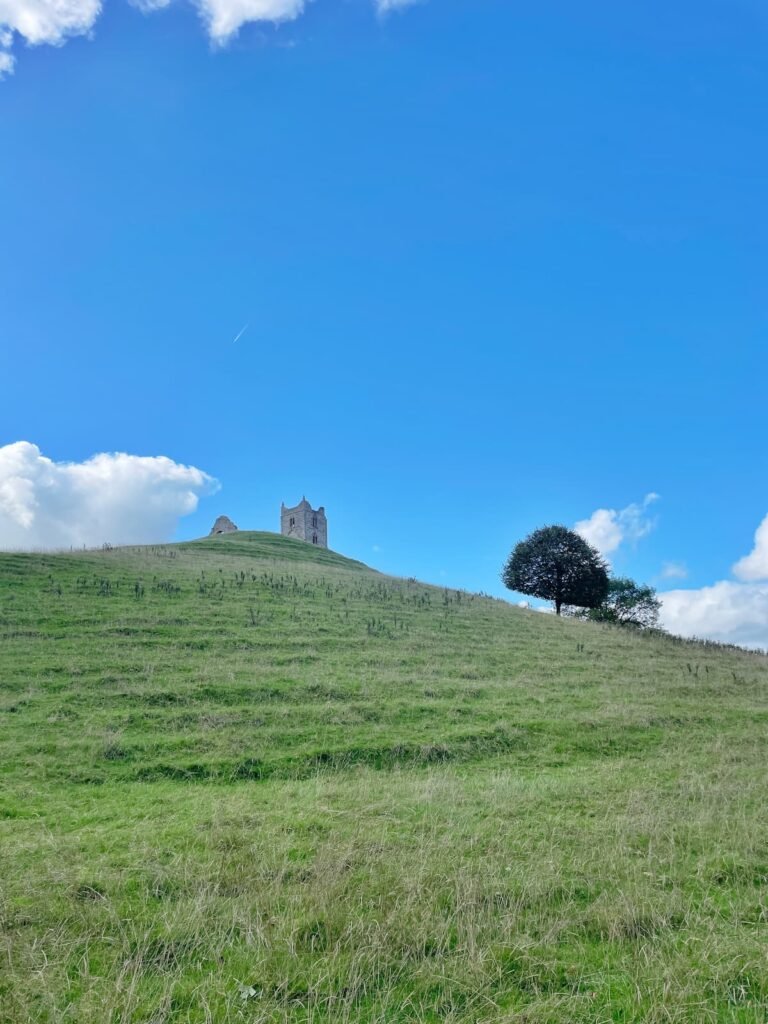
So good they named it twice. Both ‘Burrow’ and ‘Mump’ mean hill, and not dissimilar to Glastonbury Tor (which you can see from the top here), Burrow Mump is another prominent hill in an otherwise flat landscape, topped with a ruined medieval church.
Centuries ago, King of Wessex, Alfred the Great used the Mump as a lookout for marauding Danes. During his reign, the Somerset Levels were a vast, marshy sea and this natural knoll was an isolated island. Nowadays, when the levels flood or the moors are covered in mist, you can imagine what it might have looked like hundreds of years ago – quite the photo op!
There’s a National Trust car park at the base of the hill, Burrowbridge, Bridgwater TA7 0RB.
9. King Alfred’s Tower, Stourhead
Best for: countryside hikes, autumn colour.
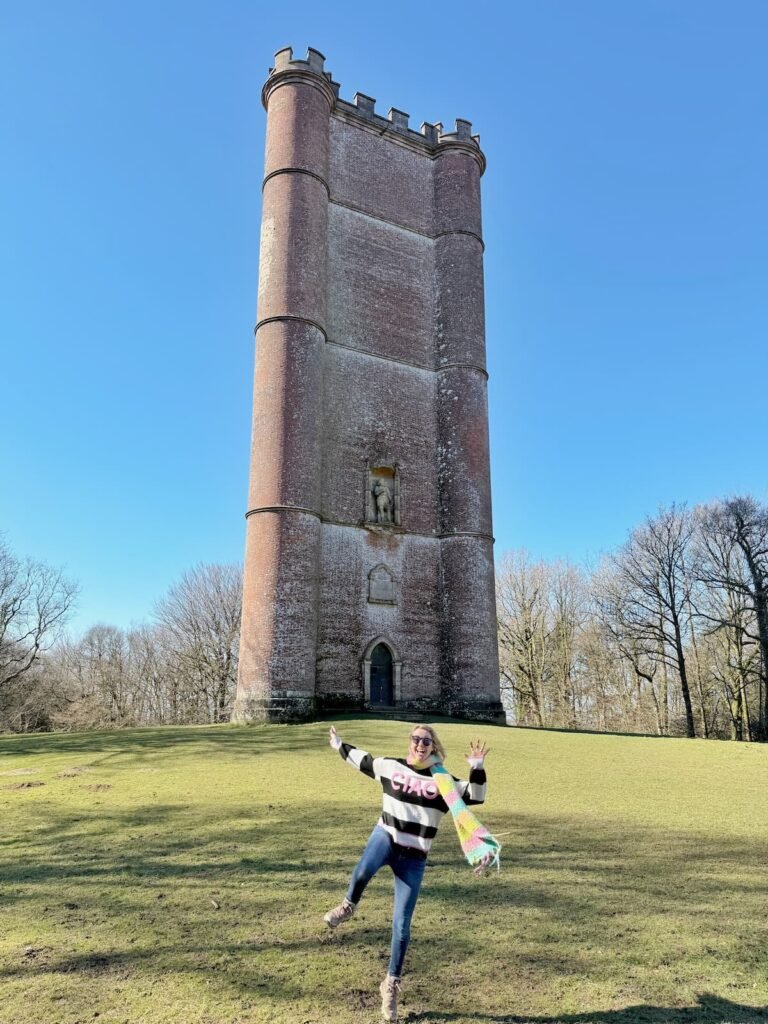
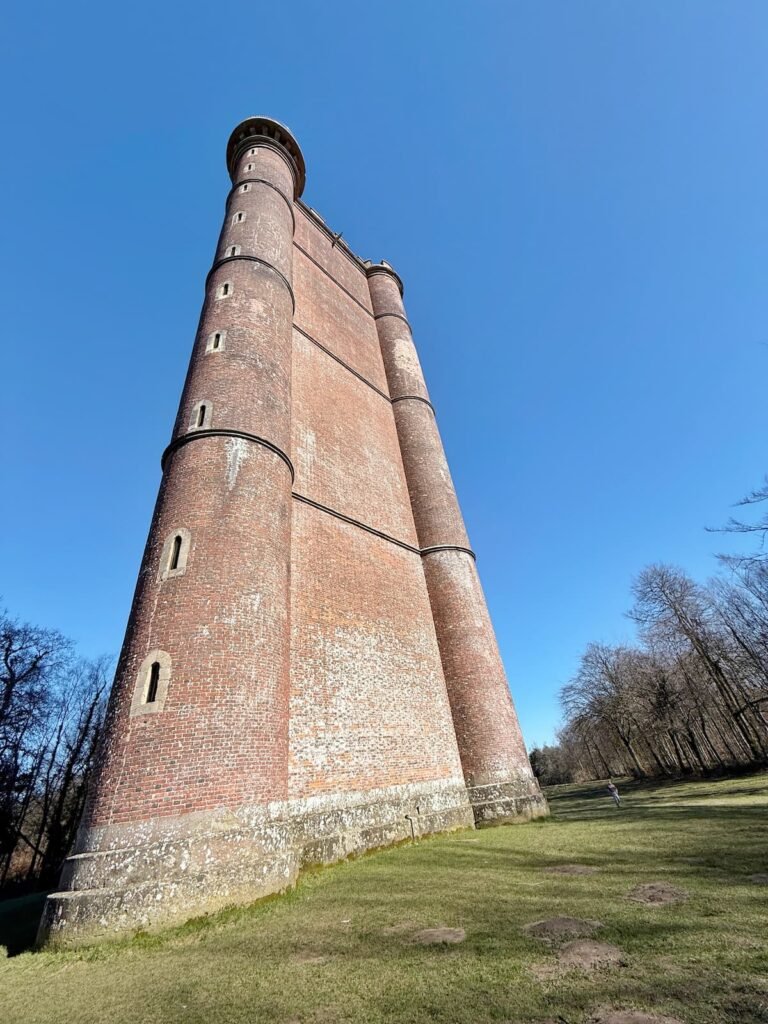
According to some, when it was first built, King Alfred’s Tower stood with one corner of its triangular base at the union of Dorset, Somerset and Wiltshire. The Dorset border has since shifted, but the grade-I listed building still straddles Wiltshire and Somerset on the National Trust’s Stourhead estate.
The 49m high folly was designed by Henry Flitcroft for former Stourhead owner, Henry Hoare II in 1772 to commemorate the accession of George III to the throne and the end of the Seven Years War. The red brick tower supposedly stands where King Alfred the Great rallied his troops in May 878 (now paid tribute to by Somerset Day).
10. The Quantock Hills
Best for: grown-up walking days, picnics, blowing the cobwebs off.
Often overlooked in favour of the Mendips and Exmoor, the Quantocks were the country’s first designated Area of Outstanding Natural Beauty for a reason. Heather-purple in late summer, beech-gold in autumn, the hills run a quiet 12-mile ridge between Taunton and the coast. Walks from Holford or Crowcombe deliver red deer sightings and distant glimpses of the Welsh coast.
Read next: Pram-friendly walks in Somerset
11. Exmoor National Park
Best for: serious walkers, dark-sky stargazers, wild pony spotters.
Somerset shares Exmoor with Devon, and the Somerset side is, in my entirely impartial opinion, the prettier of the two. England’s least-visited national park is a sweep of heather moorland, ancient woodland and red-deer-roamed valleys; in 2011 it became Europe’s first International Dark Sky Reserve, which is the official way of saying the night skies here are rather extraordinary.
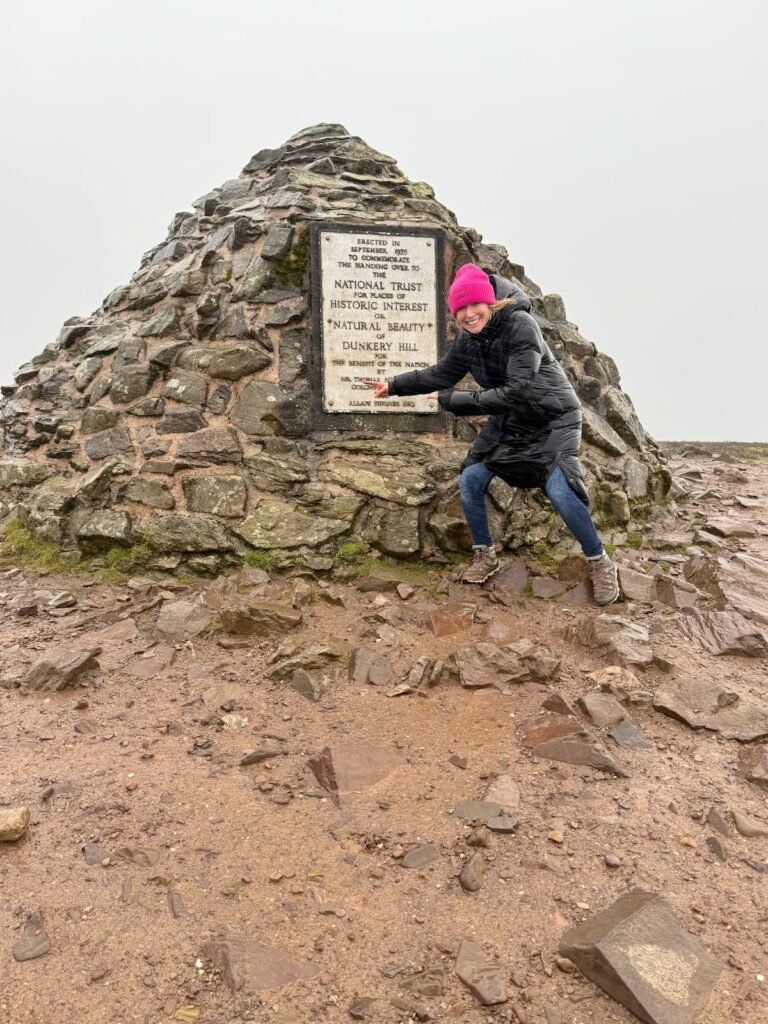
Highlights include Tarr Steps (a 17-arch clapper bridge of unknown age), Dunkery Beacon – the highest point in Somerset, the dramatic descent down Porlock Hill, the wild Exmoor ponies grazing the open moors, and walks along the South West Coast Path between Porlock Weir and Lynmouth. Base yourself in Dunster, Selworthy or Porlock for the easiest access.
Local insight: Drive over Porlock Hill (the steepest A-road in England) for a very dramatic descent! Coming back up, take the gentler toll road; your gearbox will thank you. Read more about Exmoor National Park here.

Castles and historic places to visit in Somerset
From Arthurian abbeys to haunted prisons, Somerset’s history is woven into the landscape. These are the historic places that have stayed with me long after the visit.
12. Glastonbury Abbey
Best for: myth lovers, quiet wandering.
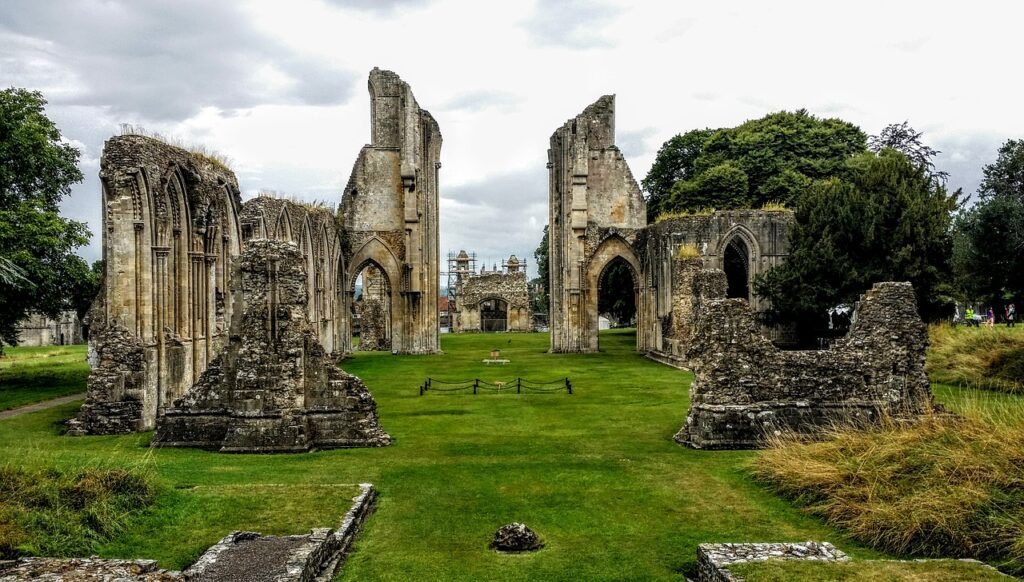
In the centre of quirky Glastonbury, Glastonbury Abbey sits in 36 acres of grounds, surrounded by 12th-century ruins and a magnificent well. Thanks to its legendary connections with Joseph of Arimathea (said to have brought the chalice from the Last Supper here, possibly alongside Mary Magdalene or even Jesus himself) and King Arthur (allegedly buried here with Queen Guinevere), Glastonbury Abbey has been revered since medieval times as the earliest Christian foundation in Britain.
Today it is a peaceful setting where you can discover intriguing stories and take part in a plethora of events, from festivals and theatre to workshops and family school holiday activities.
13. Wells Cathedral
Best for: Gothic architecture enthusiasts, choral music lovers, candle-lighting children.
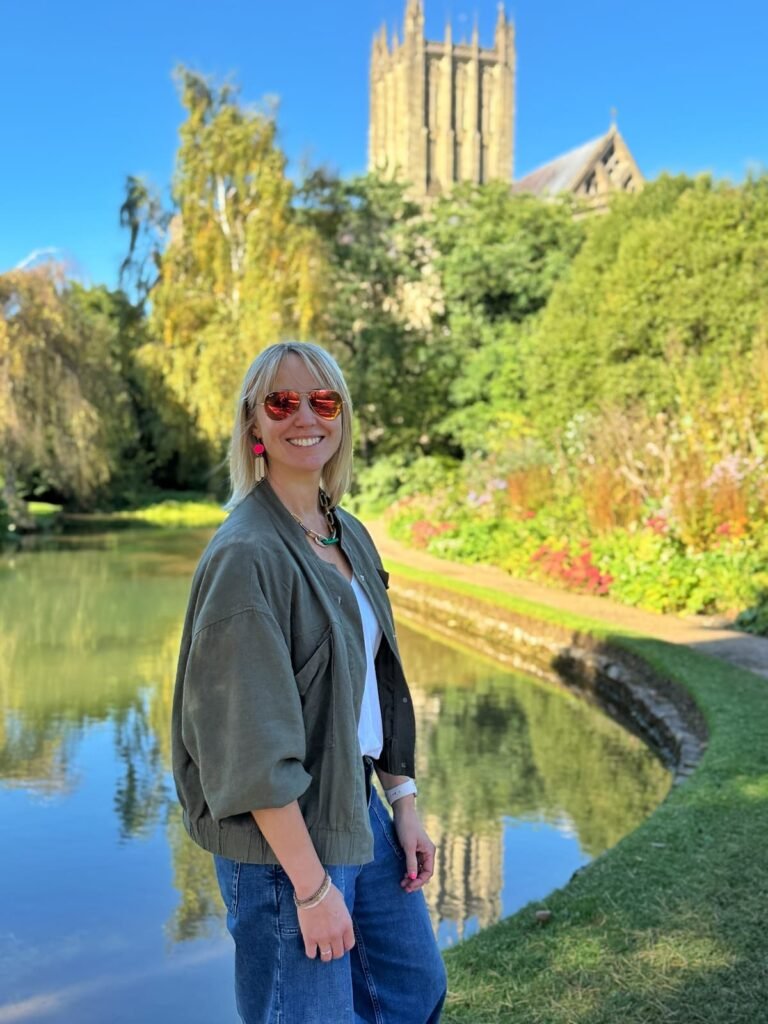
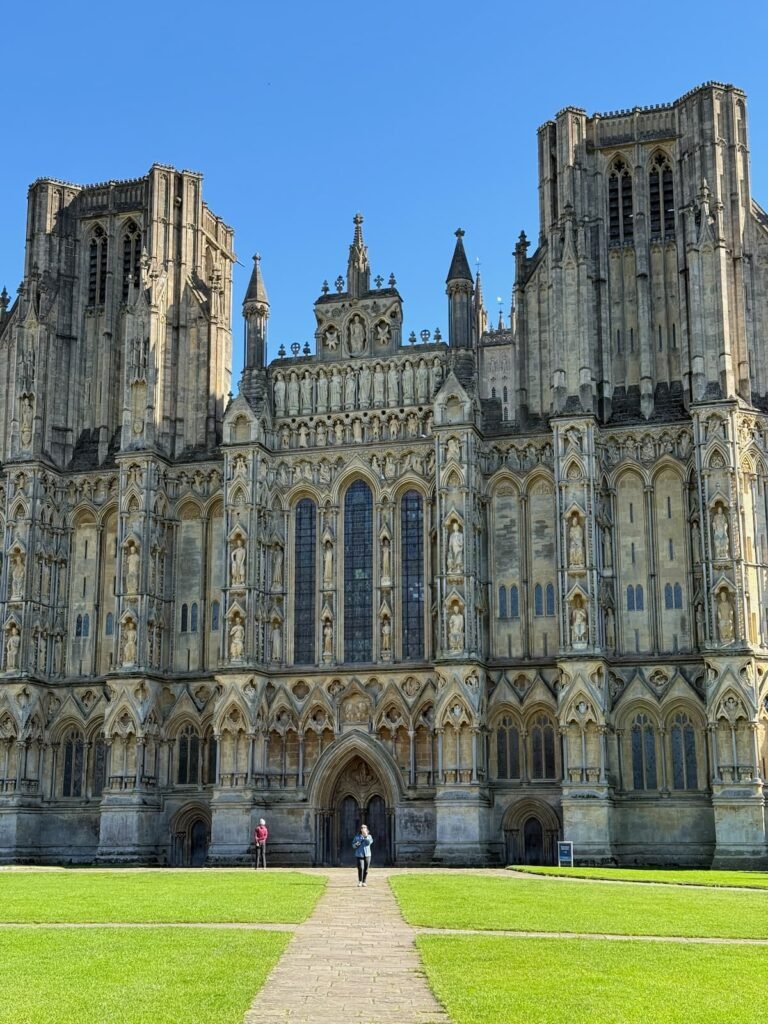
Famous for its architecture, the 850-year-old Wells Cathedral is a sight to behold inside and out. Free daily guided tours offer insight into the unique, ancient framework, which houses the second-oldest clock mechanism in Britain, an octagonal Chapter House, and one of only four chained libraries in the UK. Or you can explore at your own pace, marvelling at the famous scissor arches and stained glass.
Thinking of taking the kids? A cathedral might not be one of the most obvious choice of places to visit in Somerset with youngsters, but I have found the cathedral hush tends to encourage a similar quiet from the offspring. (Worth a try, anyway.) If you are not loitering long, pyromaniac-leaning kids may like to light a candle before you head off to explore the town, Vicars’ Close and the Bishop’s Palace next door.
Read next: Iconic film and TV locations to visit in Somerset

14. The Bishop’s Palace and Gardens, Wells
Best for: a magical afternoon with kids, garden lovers, anyone who has watched Hot Fuzz, Poldark or Wolf Hall.
Sitting in the shadow of Wells Cathedral, but no less enchanting, is the stunning Bishop’s Palace and Gardens with its moat, drawbridge and well pools. The Bishop’s Palace has been home to the Bishops of Bath and Wells for more than 800 years and each has left their stamp on their place.
Perhaps the most surprising legacy though, goes to one of the bishop’s daughters who back in the 1870s, taught the swans to ring a bell on the gatehouse whenever they were hungry! Apparently adult swans have taught their cygnets this trick ever since. Otters and kingfishers also live here, so keep your peepers peeled.
For kids there’s a natural outdoor interactive discovery area designed around the themes and stories of the palace, including a pole jungle, tree pods, a waterwheel and sluice gates.
Don’t miss: the seasonal events. The Christmas illuminations are beautiful.
Read next: The best Christmas lights trails to visit in Somerset


15. Dunster Castle, Exmoor
Best for: storybook villages, big history, coast-gazing walks with a tearoom finish.
Set in fairytale English surroundings (think thatched cottages, multiple tea rooms, cobbled streets and sea views), the ancient turreted Dunster Castle has been witness to 1,000 years of history from its tor-top perch.
A former motte-and-bailey castle, it is now under the care of the National Trust. Visitors can have a nose inside the castle, explore the subtropical gardens, crypt and ghost exhibition, wander along to a working watermill, and access numerous walks from the grounds (including buggy-friendly ones).


16. Nunney Castle
Best for: free cultural family stops, pub lunch combos, a quick photo opportunity.
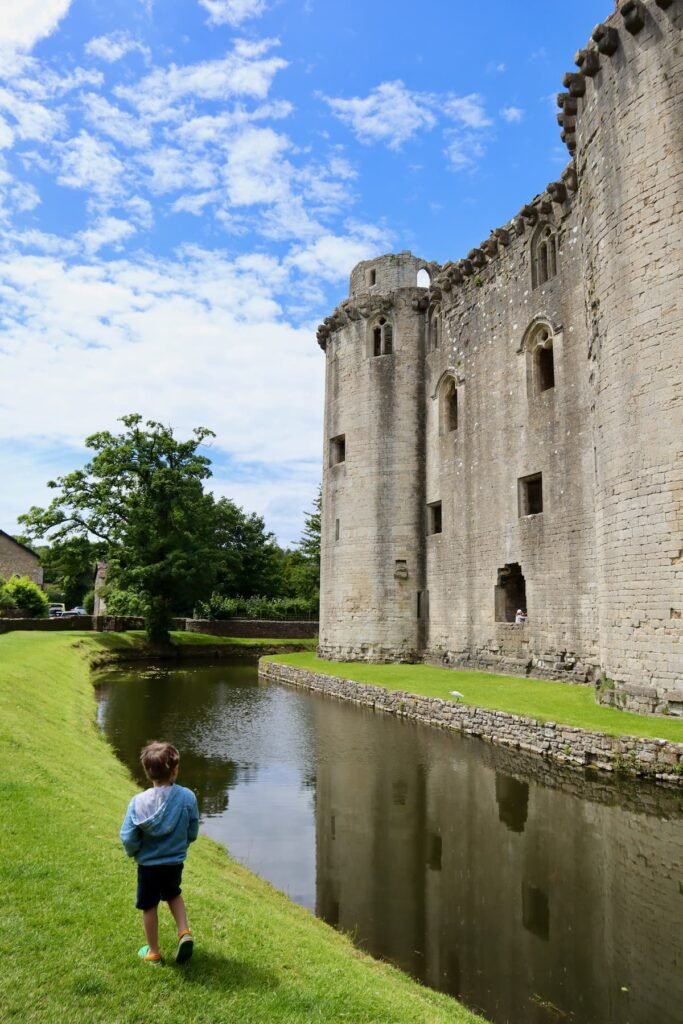
On the edge of a little village near the Mendip Hills, rising majestically on its own little island, ruined 14th-century Nunney Castle is the only Somerset castle with a water-filled moat. Now under the care of English Heritage, it is free to visit, with a little wooden bridge that lets you look inside the castle and imagine life in medieval times: armour-clad knights clunking around and danger on the horizon.
Local insight: There’s a great pub, The George at Nunney, across the way which has tables with views of the castle if you’re in need of refreshment.
Read next: 5 best castles to visit in Somerset

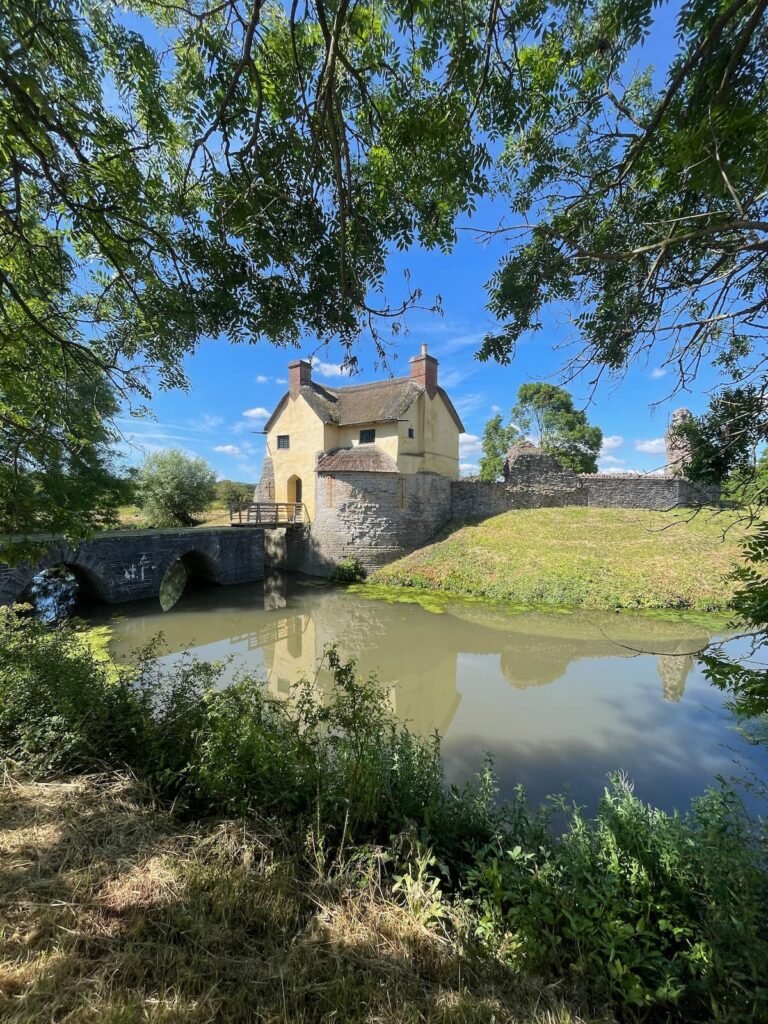
17. Stogursey Castle
Best for: Medieval romance, photographers, deep history.
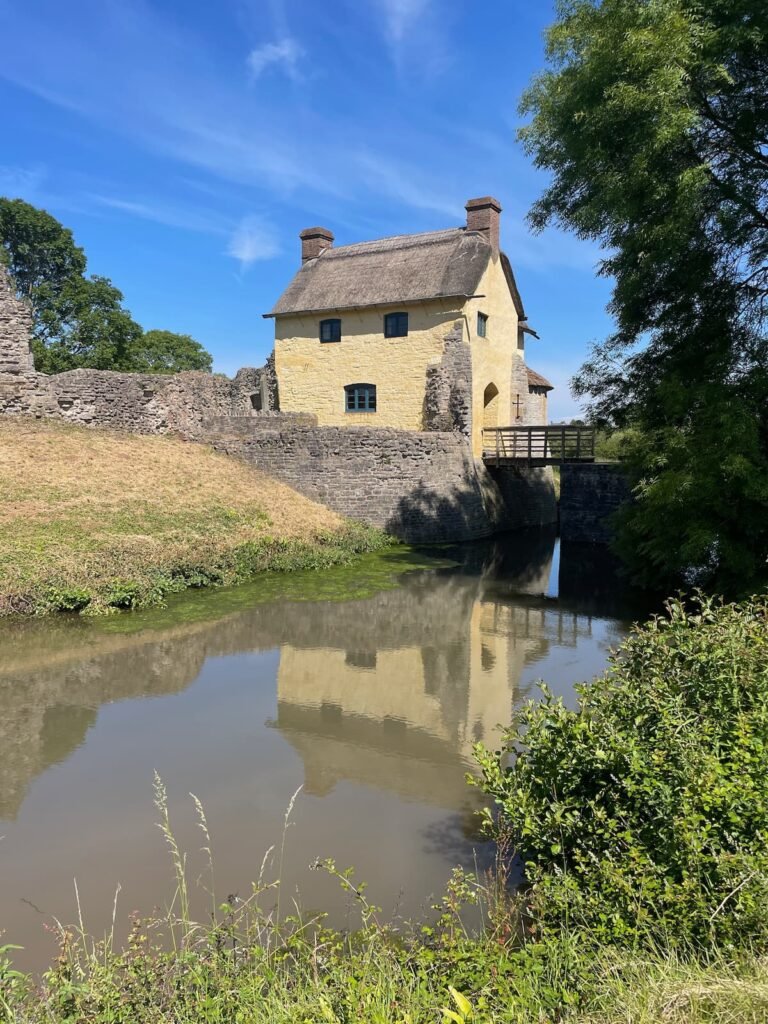
Stogursey Castle sits in a charming village to the east of the Quantocks, with a rich back-story that includes a visit from King John in 1210 and a starring role in the Wars of the Roses. Now mostly ruins, its 13th-century gatehouse remains intact and serves as a holiday let under The Landmark Trust. Visitors can admire the picturesque site via a scenic footpath; only staying guests may go any further inside the castle ruins.
Local insight: Book a stay and the entire moated gatehouse is yours. It is one of the Landmark Trust’s most romantic Somerset properties.
18. Farleigh Hungerford Castle
Best for: a darker history lesson, hidden corners near Bath.
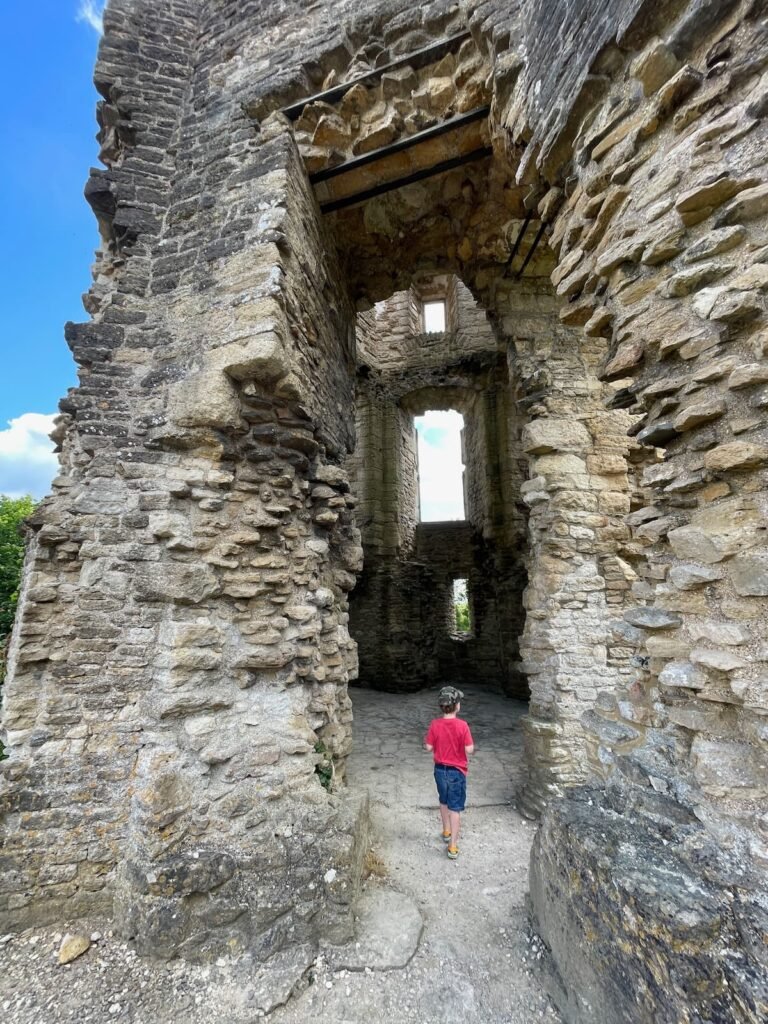
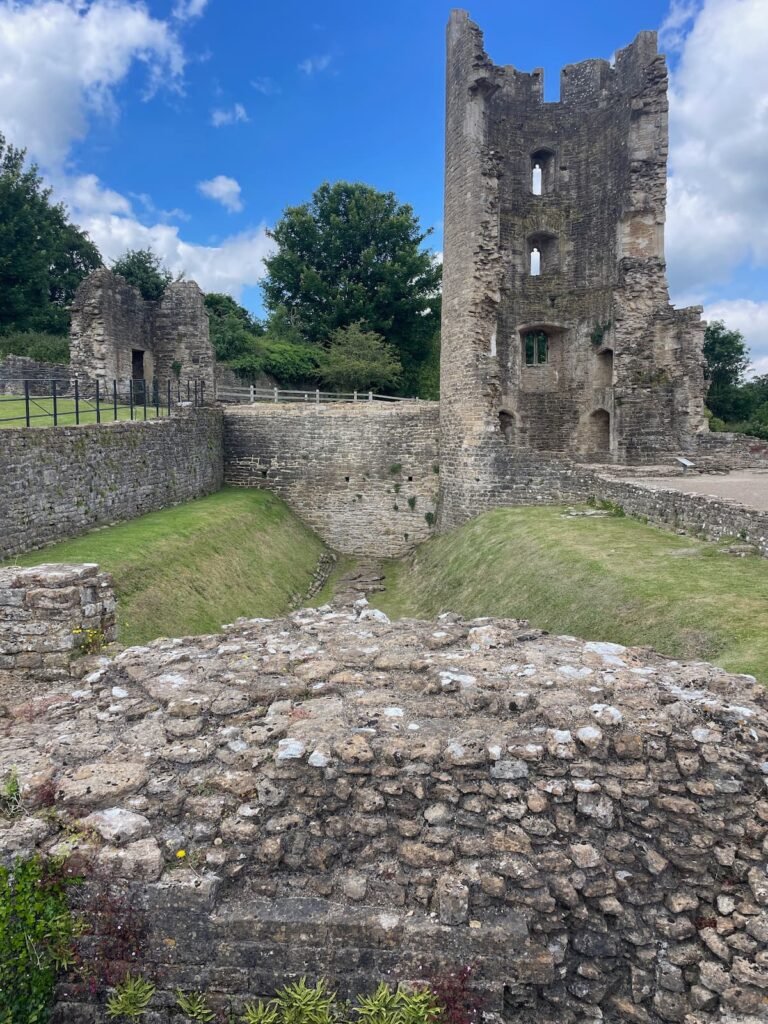
For historic places to see in Somerset, check out Farleigh Hungerford Castle near Bath, a 14th-century fortified mansion and home to the Hungerford family for 300 years. With its partly-surviving towers, surrounding wall, gatehouse, moat, well, infamous bakehouse oven and the chapel’s rare medieval wall paintings, it is a fascinating site with many hidden treasures. Now managed by English Heritage, its serene setting belies a dark history of political intrigue, murder and scandal.
Check Farleigh Castle opening times on the English Heritage website.
19. Shepton Mallet Prison
Best for: brave older kids, ghost hunters, escape room fans.
Shepton Mallet Prison has several accolades that make it stand out from other historic lock-ups. Built in 1610, it was the UK’s oldest operating prison until 2011. It also has the second-highest prison walls (75ft) in the country (after decommissioned Lancaster Castle) and is supposedly the most haunted jail in the world!
The Krays did time here. So did American military prisoners during the Second World War. Today, guided tours offer a fascinating insight into penitentiary life, immersive escape rooms get the heart racing and ghost tours challenge the fearless to discover what lurks here in the dead of night. There are also family-friendly storytelling events, Christmas activities and live music nights, just don’t get locked in.
20. Coates English Willow, Stoke St Gregory
Best for: craft lovers, slow afternoons on the Levels.
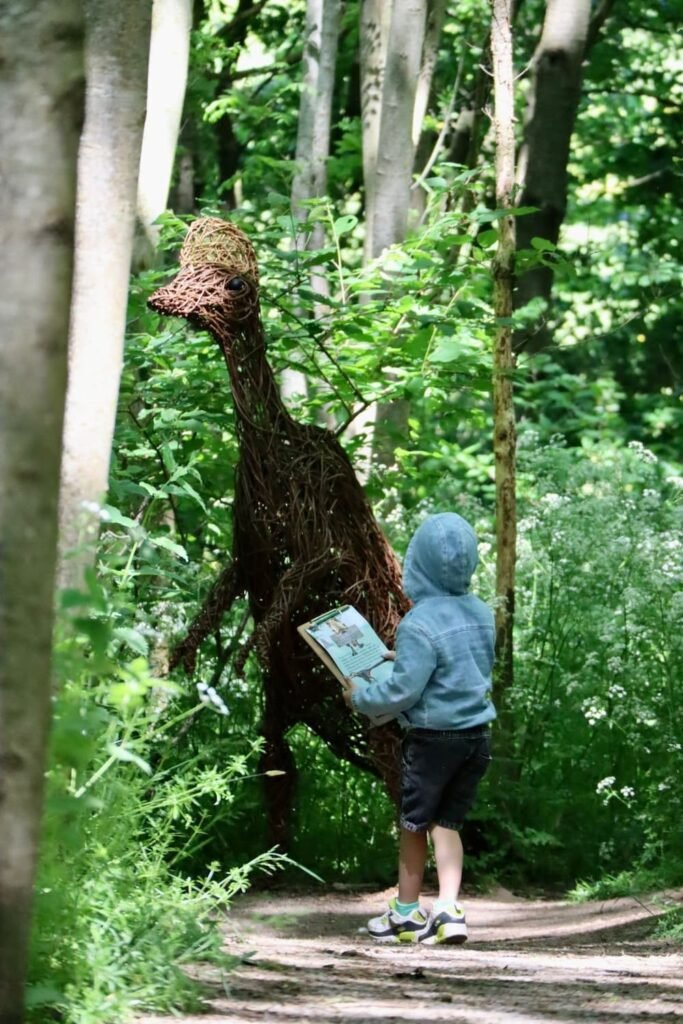
Tucked away in the rural village of Stoke St Gregory, in perfect willow-growing country (the Somerset Levels), is Coates English Willow & Wetlands Centre. The Coate family have been growing withies on the moors since 1819, making baskets and willow charcoal (and even the balloon basket in Wicked) for almost 50 years.
Check out the museum to spot willow curiosities and artefacts from 100 years ago, or venture out on one of three different walking paths. Look out for the seasonal Willow Sculpture Trails.

Heritage railways and museums in Somerset
For rainy days, train-loving children, or just an afternoon of looking at lovely old things.
21. West Somerset Railway
Best for: steam-train romance, Exmoor coastal views, a slow afternoon.
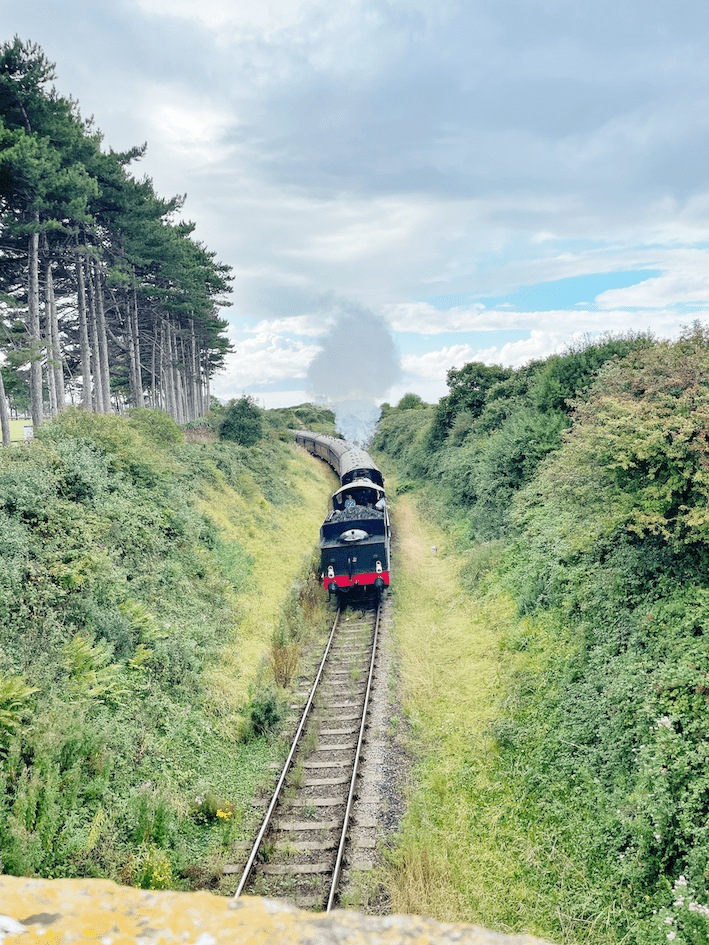
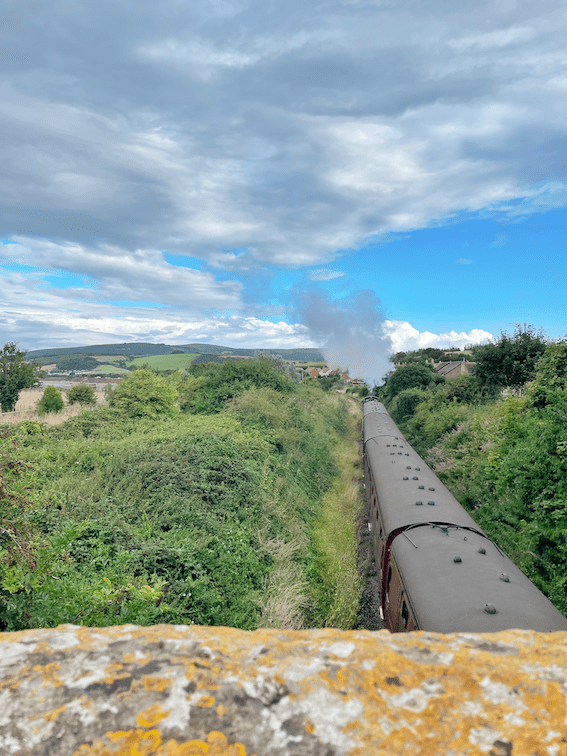
The West Somerset Railway is the longest heritage line in England, stretching 20 miles across rolling countryside through the Quantock hills and along the Bristol Channel between Bishops Lydeard and Minehead.
Hopping on and off historic steam locomotives at any of the ten restored stations en route (including beautiful Dunster) is a charming way to see Exmoor, the country’s least-visited national park. Check the timetable on their website before you go.
22. East Somerset Railway, Shepton Mallet
Best for: Thomas-mad pre-schoolers, a short and sweet train day.
Over on the other side of the county, East Somerset steam railway runs through the Mendip countryside near Shepton Mallet. Covering 2.5 miles of heritage track, train journeys take around 40 minutes to do the round trip.
For younger train lovers, there are occasional appearances from choo choo fave, Thomas the Tank engine and friends. There’s also a museum, art gallery, shop, cafe and kid’s playground onsite.
23. Gartell Light Railway, Templecombe
Best for: tiny train lovers, low-key family days, a quirky stop.
The delightful Gartell narrow gauge railway runs along the the old Somerset and Dorset railway line and is privately operated by the Gartell family and their friends. It’s only opened to the public on selected dates throughout the year, so do check their opening times online for the latest timetable and opening hours.
24. Museum of Somerset, Taunton
Best for: rainy days, history-loving kids, a hit of culture for free.
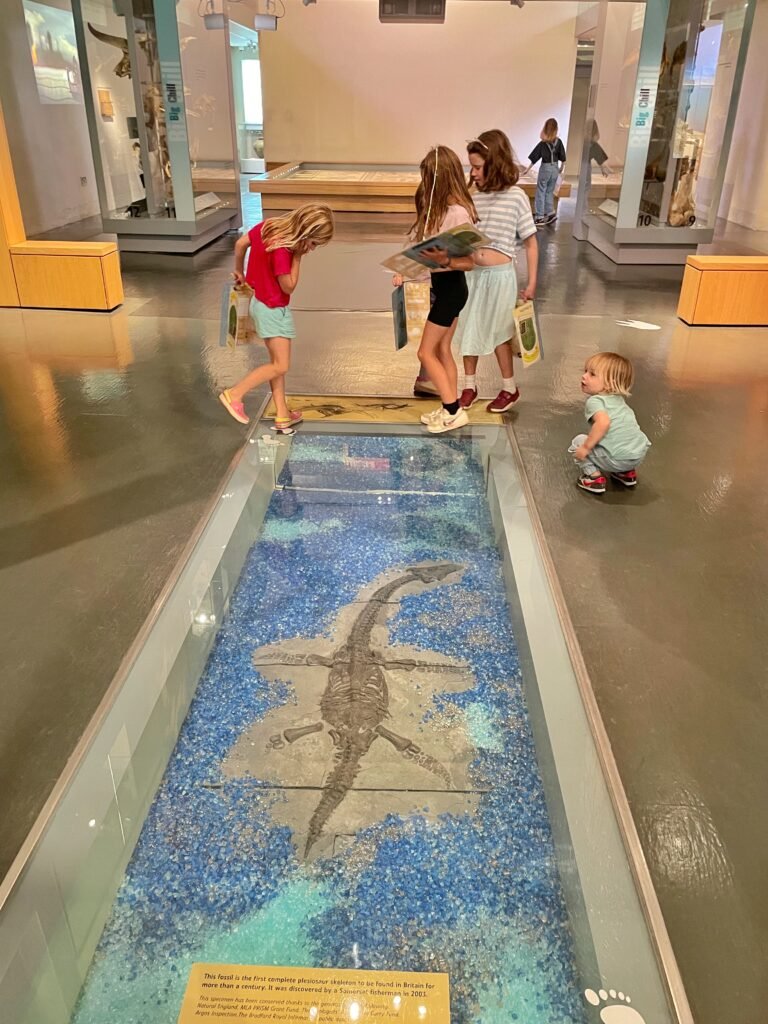
For a spot of culture, head to atmospheric 12th-century Taunton Castle, now the Museum of Somerset, which tells the county’s fascinating story from prehistoric times to the present day. Seek out the Plesiosaur, be wowed by the largest collection of Roman coins ever discovered in Britain, and visit changing exhibitions throughout the year.
Locals should book ahead for popular monthly ‘Toddler Explorer’ sessions and special events held during school holidays.

25. Somerset Rural Life Museum, Glastonbury
Best for: agricultural heritage, wassailers.
Based underneath Glastonbury Tor, Somerset Rural Life Museum examines the rich social and agricultural history of Somerset from the 1800s onwards.
Learn more about the county’s heritage including its landscape, food and farming, working life and rural crafts, explore the cider orchard, 14th century Abbey Barn and check out exhibitions in the farmhouse/cowshed galleries.
Seasons are celebrated with traditional Somerset events like the New Year Wassail, and themed family days take place throughout the year.


26. Fleet Air Arm Museum, Yeovilton
Best for: plane-mad children, big aircraft, vehicle wow factor.
One of the largest aviation museums in the world, with a whopping 90 flying machines, Fleet Air Arm is the best place to visit in Somerset for aviation fans. Inside its vast exhibition halls you will find Europe’s biggest collection of naval aircraft, the first British Concorde (which you can climb inside and explore the cockpit) and the chance to ‘fly’ by helicopter to the replica flight deck of HMS Royal.
Kids can get into character in the fantastic outdoor play area, which is based on the new aircraft carrier HMS Queen Elizabeth. Keen plane spotters should keep eyes to the skies (located near RNAS Yeovilton, you are likely to see aircraft training while you visit).


27. Haynes International Motor Museum, Sparkford
Best for: car-mad kids, indoor entertainment, big garage energy.
From Somerset trains to planes to automobiles, discover the fascinatin stories behind motoring history at Haynes International Motor Museum. Housing the UK’s largest collection of cars and motorbikes in 17 large exhibitions, you will find vehicles from the earliest days of motoring right up to mega-powerful F1 beauties. Learn how a car works, let kids loose around the mini road system at the outdoor playground, and whizz around on coin-operated go-karts. If your little one is into cars, add this to your must-see tourist attractions in Somerset.
Read next: 20 Rainy day indoor activities in Somerset




Stately homes and gardens in Somerset
Given its rural beauty, it is no surprise Somerset is studded with stately homes and gardens built by the mega-rich of their time. These are the ones I take visiting friends and family to first.
28. Hestercombe Gardens, Taunton
Best for: garden lovers
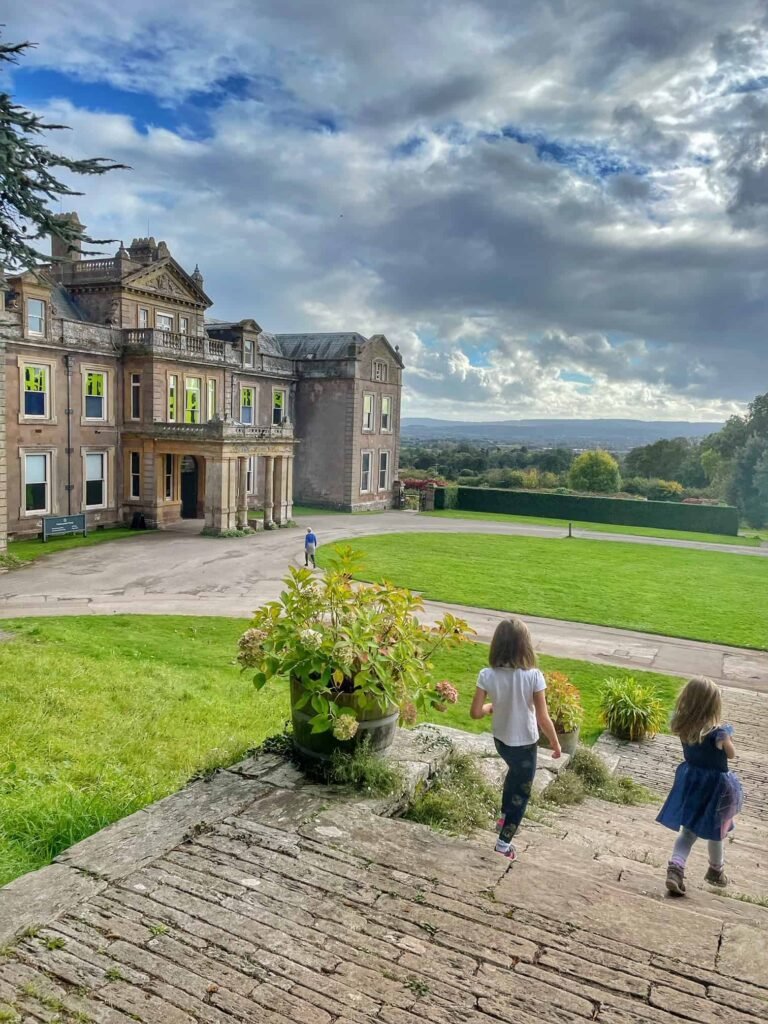
Located just outside Taunton, Hestercombe encompasses three centuries of gardening history. From landscaped Georgian gardens featuring a waterfall, classical buildings, wooded valley walks and a lake, to a Victorian shrubbery and Edwardian Arts and Crafts-influenced formal gardens, the 40-acre estate gazes over beautiful Somerset countryside.

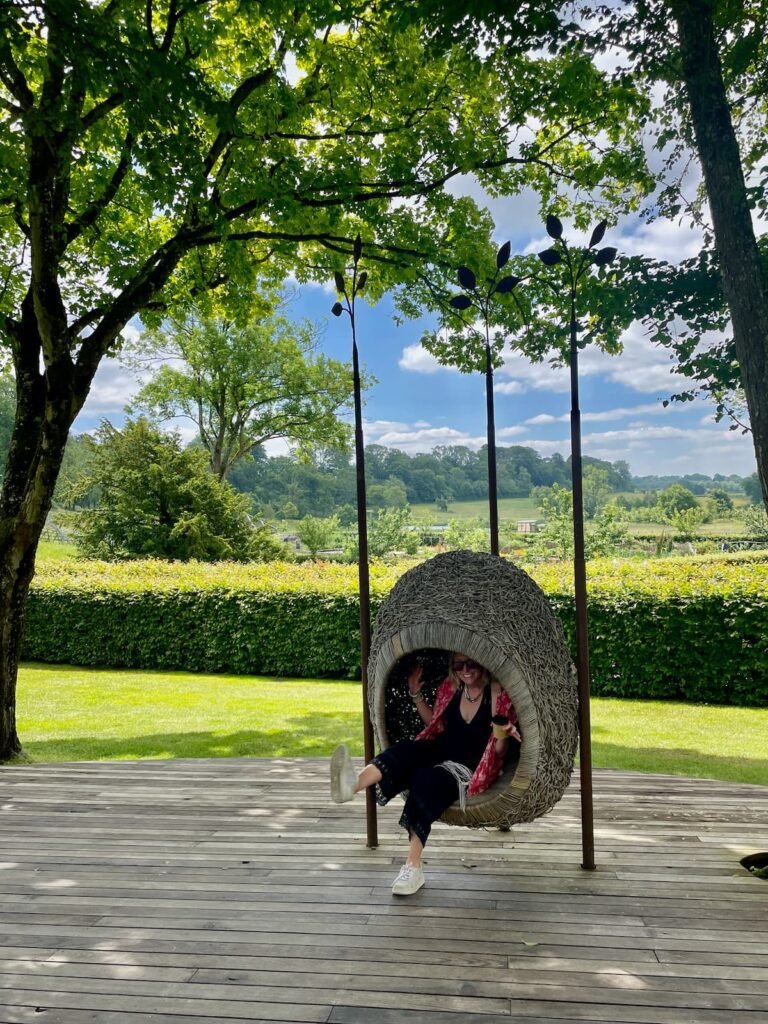
29. The Newt in Somerset
Best for: garden-design obsessives, high-end days out, gorgeous family days out
The gorgeous grounds of the luxurious five-star Newt Hotel are open to the public to explore. You pay to enter, but membership gives unlimited access for a year and includes entry to partner gardens including Kew Gardens, Wakehurst, Great Dixter, Tresco, Trebah, Tregothnan, Tremenheere, the Lost Gardens of Heligan and the Eden Project. For garden lovers, it’s a great value pass.
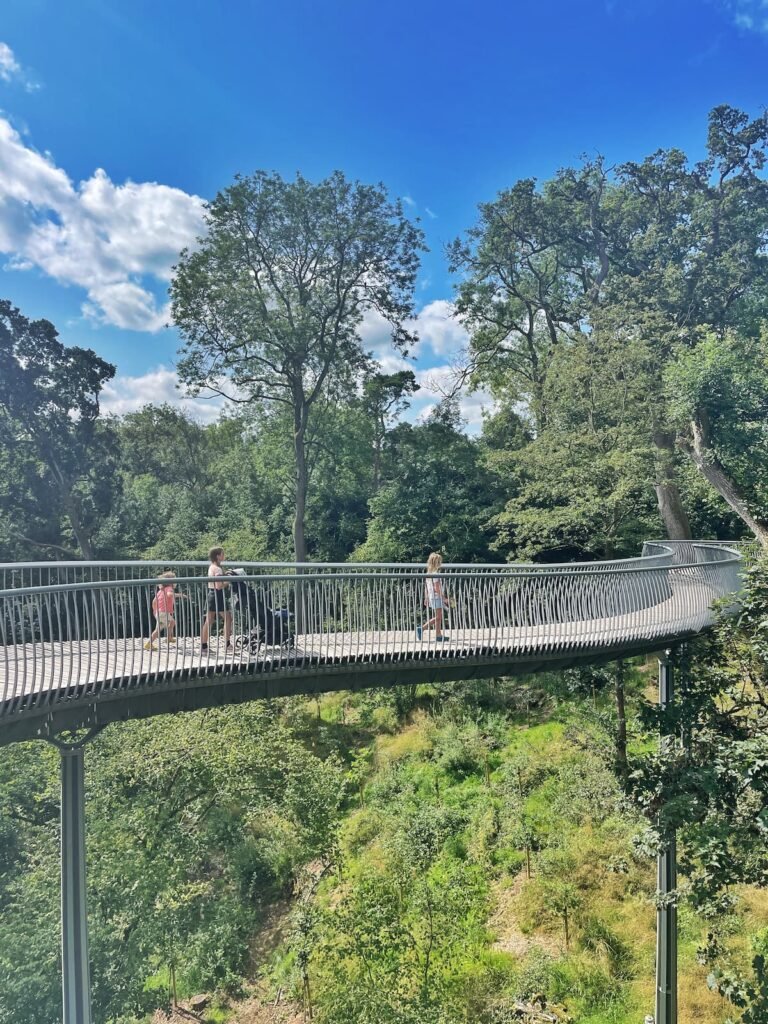
A D-shaped parabola showcases every apple variety grown in England (except, randomly, Shropshire), arranged in a Baroque-style maze with the trees twisted and trained into pleasing shapes. Buggy-friendly paths lead off through ancient woodland to a bough-brushing serpentine treetop walkway, a natural wood playground, a 300-year-old Druid Tree, the Story of Gardening museum, Roman Villa, Beezantium, wyvern cave, four seasons garden and more!
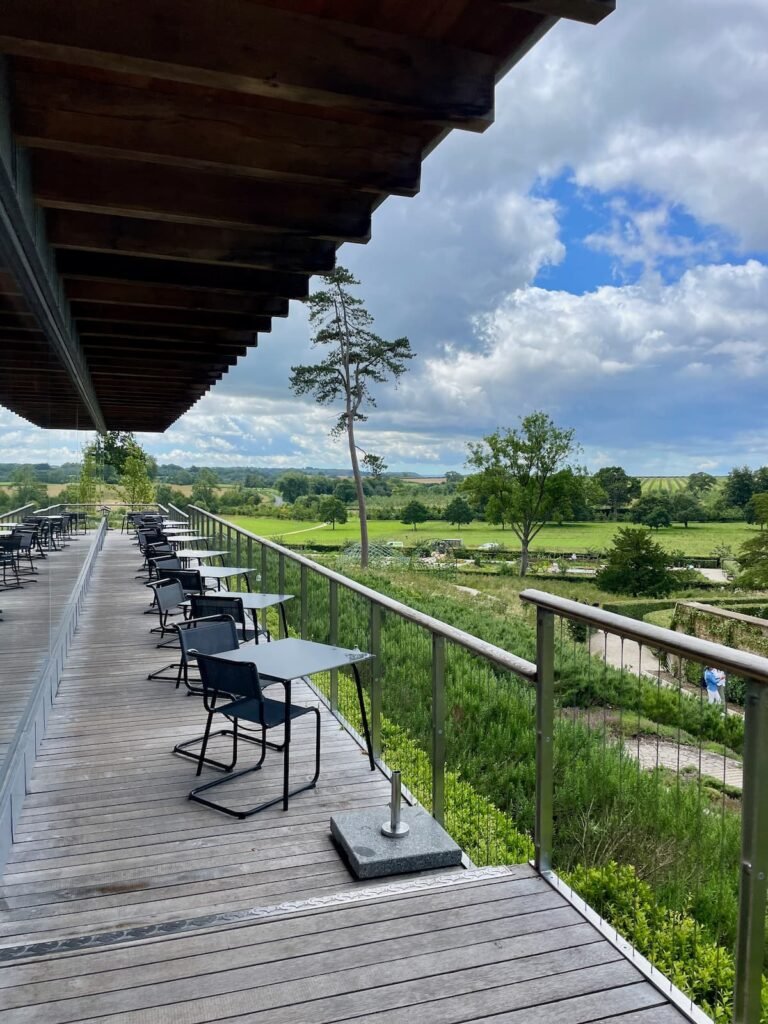
Every inch of this place feels aesthetically-honed, from the slick cyder press and bar, to the thatched ice cream parlour. And it’s not just got a pretty face – the gardens are as productive as they are easy on the eye, providing leaves, berries and vegetables for the onsite eateries, while the woodland provides shelter for wildlife.


30. National Trust Lytes Cary
Best for: family picnics, log-clambering kids, Arts and Crafts gardens, Halloween trail enthusiasts.
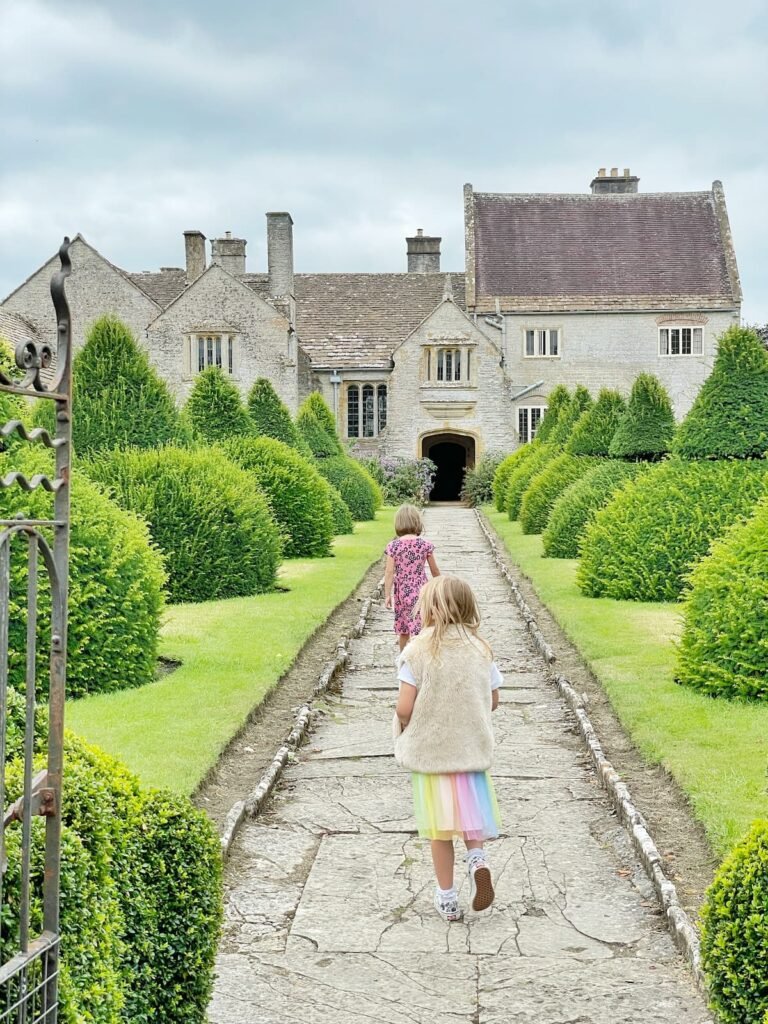
The National Trust lays claim to some of the most beautiful places of interest in Somerset and Lytes Cary is one of them. The name combines the Lyte family (who lived at the manor house for over four centuries), with that of the River Cary which flows nearby. The house is a mish mash of parts dating from the 14th to 20th century, surrounded by enchanting Arts and Crafts style gardens, a formal orchard, acres of fields and lovely woodland.
It is a great one for kids thanks to its forest trail. After log-hopping, swinging from the branches and seesawing on logs, come back to picnic on the lawns and marvel at the beautiful floral borders and neatly clipped towering topiary. There is also a cafe on site and events run regularly (the popular Halloween trail is well worth a slot), plus some longer walks that youngsters can manage.

31. National Trust’s Tintinhull garden
Best for: garden-design obsessives, summer pottering.
This small, peaceful garden complements a 17th century Grade 1 listed house (the majority of which makes up a National Trust holiday cottage). Phyllis Reiss was the brains behind the Arts and Crafts style design here, characterised by ‘rooms’ (of which this one has 7), clipped topiary and colourful mixed borders. A leisurely stroll will treat you to sparkling pools and fountains, a working kitchen garden and orchard.
Local insight: Check opening times before you go. The garden is often closed in winter and on weekdays, which catches a lot of visitors out. Check Tintinhull opening times.


32. National Trust Fyne Court, Bridgwater
Best for: deep-country family days, stream-splashing, log-clambering kids.
Deep in rural Somerset, close to the Quantock Hills is Fyne Court, former home of scientist and poet Andrew Crosse and his family until the house was destroyed by fire in 1894. A great place to take the kids, there are fallen trees to clamber over, streams to splash in, plenty of places to picnic, plus a play trail and tea room.
Don’t miss: the surviving estate buildings near the visitor centre. Crosse was a pioneering electrical experimenter widely thought to have inspired Mary Shelley’s Frankenstein.


33. National Trust Montacute House
Best for: Elizabethan grandeur, wibbly-wobbly hedges, a stupendous Long Gallery.
It’s impossible to fathom that Montacute House was offered for scrap, back in 1931, before being rescued by the National Trust. It’s a beast of a mansion house and one of the most breathtaking Somerset landmarks, a masterpiece of Elizabethan architecture, built from the county’s gleaming ham stone and designed to boast the wealth and power of its owners.
Inside the house you’ll find towering tapestries, antique furniture and the spectacular Long Gallery (the longest of its kind in England), built for exercise on a rainy day and intended to be a ‘lantern of light’ in the landscape. The views from the top are stupendous and the gallery is crying out for little legs to race up and down (although do not, it’s not allowed!) The gardens are tremendous, with fairytale turreted outbuildings, a carp pond with fountain, an ice house and wibbly-wobbly hedges.


34. National Trust Barrington Court
Best for: riotous summer borders, a nearby alternative to Montacute.
Next to the picture-perfect village of Barrington, this stately home (one of the first to be owned by the National Trust) sits in picturesque gardens surrounded by luscious Somerset countryside. In summer the tennis courts are opened up and the gardens become a rainbow riot of blooms: red-rose-bordered ancient stables, a flurry of white-petalled beds, and a kitchen garden that is a flower feast for the eyes. Tumbling wisteria dominates spring, while autumn brings hinky punks, apple picking and nature-inspired crafts. Book Barrington Court entry.


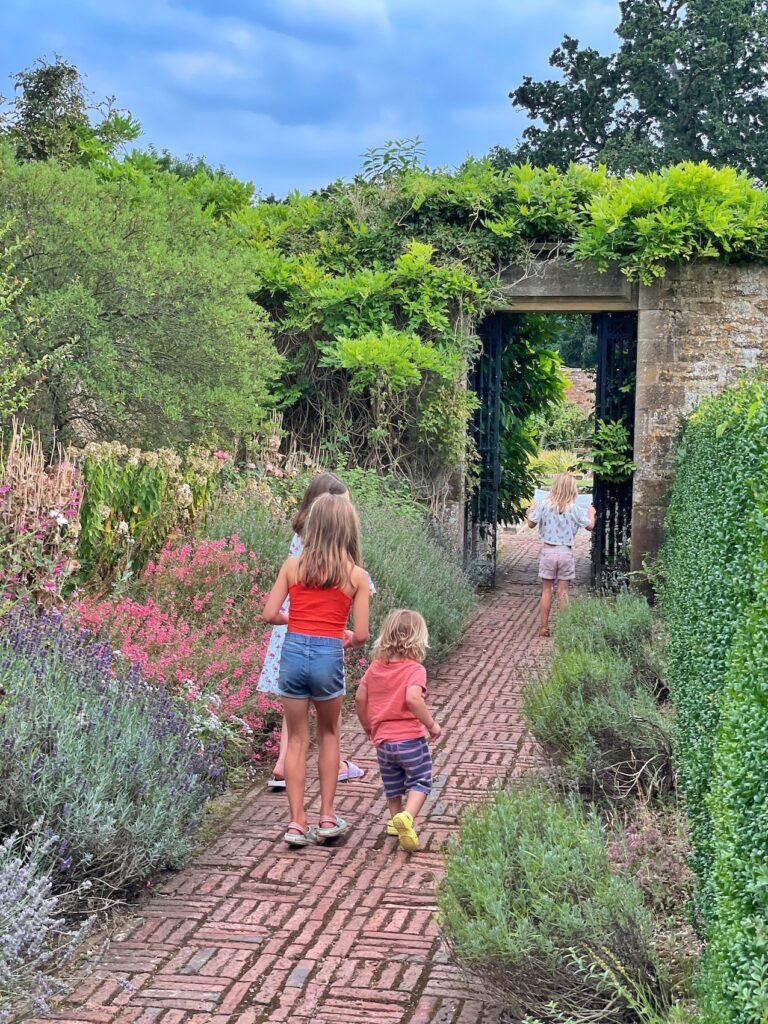
35. Tyntesfield National Trust
Best for: a Bristol-side day out, Gothic-Victorian drama, seasonal events – particularly the pumpkin display!
Just a stone’s throw from Bristol, this gothic-style Victorian manor house surrounded by 540 acres of beautiful parkland, woodland and gardns used to be one of our go-to days out when we lived in the city. Seasonally-themed family-friendly events take place all year round, making school holiday visits particularly exciting – think Easter egg trails, gorgeous pumpkin displays and a Victorian Christmas extravaganza.
For the caffeine-needy, there are a couple of cafes onsite, so grab a coffee and watch while your little ones pelt it around the natural playground. Book Tyntesfield entry

36. Prior Park Landscape Garden, Bath
Best for: Bath weekenders, landscape-garden lovers, a sweeping city view.
Prior Park was built in the 18th century by Ralph Allen, a Postmaster of Bath who became integral to the development of the British postal system. From humble beginnings, Allen rose to be one of the wealthiest men in Britain and with his riches he built a mansion with magnificent views of the city – Prior Park.
The grounds are set in a sweeping valley and created in collaboration with famed landscape designer, Lancelot ‘Capabliity’ Brown as well as the poet Alexander Pope. The showpiece at their heart, a stunning Palladian Bridge is one of only four left in the world.
Read next: 23 Stately homes in Somerset you need to visit


37. American Museum and Gardens, near Bath
Best for: unusual rainy-day stops, Limpley Stoke Valley views, history-curious kids.
One of the more unusual things to do in Somerset (how often do you get to walk through a replica of George Washington’s garden at Mount Vernon?), at the American Museum and Gardens you can journey back 700 years through the history of America, from early settlers to the twentieth century. Based at Claverton Manor near Bath, the museum is full of incredible artefacts, including tools used by cowboys, gold miners and pioneers, paintings and handmade quilts.
Learn about the Founding Fathers, Native Americans and the Civil War, let kids go wild in the play area, and marvel at far-reaching views across the Limpley Stoke Valley.


38. Forde Abbey and Gardens, near Chard
Best for: garden festivals, snowdrop and tulip season.
Forde Abbey is a magnificent country house with award-winning gardens, which sits right on the border with Dorset, but is just tucked enough into Somerset for the county to claim it. Kids will love the willow labyrinth, spotting wildlife on the lake, wide open lawns and letterbox trail.
Adults might want to time the visit for seasonal star attractions such as February Snowdrop Weekends, Crocus Week (early March) when jewel-like flowers carpet the lawns, Tulip Extravaganza (mid-April-mid-May) and Spectacular Sweet Peas (July).
Look out for outdoor theatre events, pumpkin rolling and the chance to pick your own fruit in the grounds.


39. East Lambrook Garden
Best for: cottage garden romance, snowdrop season, plant nerds.
The gardens of East Lambrook aren’t huge, but the amount of flower power that’s packed into them is quite remarkable. Apparently it’s England’s foremost cottage garden, created by gardening legend Margery fish (strong name). While the colours are particularly eye-popping in autumn, February is the real show-stealer here, with a month-long festival devoted to snowdrops.


40. Ninesprings, Yeovil Country Park
Best for: scooting kids, waterfall walks, autumn trails, plaground seekers.
Located on the outskirts of Yeovil is this lovely leafy place. A pretty place to stroll, it’s particularly good for families as there are so many things to keep little legs motivated. Potter along Ninesprings Valley Gardens under towering trees to discover waterfalls, stepping stones, hidden grottoes, pretty arches and fairy-esque bridges. The Halloween trail here is particularly good.
There’s also a playground to entice young walkers and some nice flat paths for skating, scooting or biking, plus a cafe next to the car park.
Read next: 33 Free things to do in Somerset


41. Ashton Court Estate, near Bristol
Best for: mountain bikers, day in the countryside close to the city
On the North Somerset side of Bristol’s Clifton Suspension Bridge is the 850-acre estate of Ashton Court. Green open space is in plentiful supply here and mountain bikers, horse riders, golfers and families flock here for countryside ventures close to the city. Fallow deer roam in fenced-off enclosures here, and it’s always exciting to spot them if they’re grazing close to the railings.
If you’re visiting between March and October, be sure to check ahead to see if the Miniature Railway is running (£1.75 per ride, 5 rides for £7.50) – it’s brilliant, cheap fun.
Discover more fun family days out in Bristol here


Cool, cultural Somerset
42. Hauser & Wirth, Bruton
Best for: art lovers, long lunches, a low-effort cultural fix.
Close to the Londoner-favoured, artsy haven of Bruton, Hauser & Wirth is an innovative, world-class, contemporary arts centre with a spectacular Piet Oudolf-designed landscaped garden.
Located on working, free-range Durslade Farm, it offers a unique way to experience idyllic Somerset countryside and architecture. The gallery and gardens are free to enter (they ask for a donation to their chosen charities), and the onsite restaurant, Roth Bar & Grill, is one of the best lunches in the county. Don’t miss the farm shop.
Read next: 18 best things to do in Bruton


43. Bath
Best for: tweens looking for bubble tea and sushi, Georgian architecture, the Roman Baths.
The UNESCO city of Bath deserves its own section – as former Digital Marketing Manager for Go Bath Bristol, I have lots of insider knowledge on the city, from Sally Lunn’s buns to where to find the prettiest Crescents.
Read next: Things to do in Bath with kids.


44. Frome
Best for: independent shopping, a Sunday market wander, good coffee.
Frome has quietly become one of the most interesting independent towns in Somerset. The First Sunday market on Catherine Hill is now a magnet for visitors from across the South West; the food scene punches well above its weight with places like At The Station independent food market, Rye Bakery and The Talbot Inn and the architecture (cobbled lanes, painted Georgian fronts, the steep climb up Catherine Hill) is very pretty.
Local insight: The Cheese & Grain music venue gets surprisingly big names for a town this size. Worth checking the listings.


Best places to visit on the Somerset coast
Somerset’s coastline runs from Victorian seaside resorts to soaring peninsulas and wild Exmoor cliffs. These three are my favourites, but there are lots more in my full Somerset coast guide.
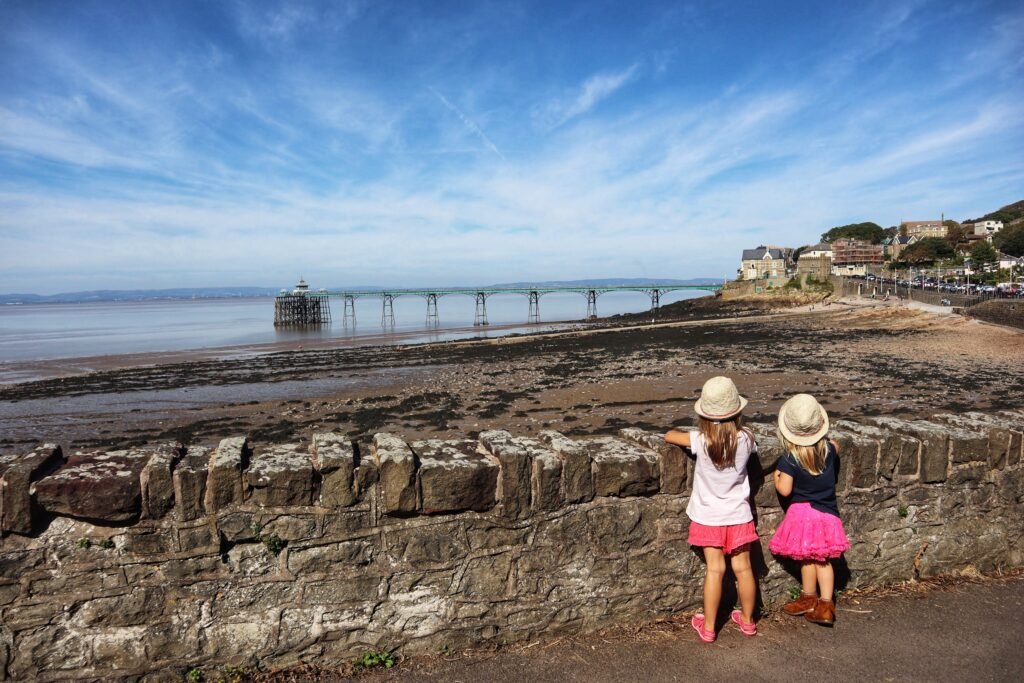
45. Clevedon Pier and Marine Lake
Best for: Victorian seaside charm, open water swimming, sea glass hunting.
Marine lake swimming, pebble beaches, poetry-inspiring coastal walks and a side of Victorian English seaside charm. Clevedon is one of our favourite family days out when the sun is shining.
Do not miss Clevedon Marine Lake, an enormous tidal infinity pool with a Bristol Channel backdrop. You will need a thick skin or a wetsuit to brave a dip (it is about 13.5 degrees C in May), or you could always take a paddleboard or canoe. Even if you are not venturing in, kids love walking around the edge, and there are crabs if you have got the kit to fish them out, plus Salthouse Fields with its playground next door.
Clevedon Pier – the ‘most beautiful pier in England’ according to Sir John Betjeman, was finished in 1869 and used as a landing point for paddle steamers transporting passengers along the Severn Estuary from Wales and Devon. Waverley cruises to Minehead, Ilfracombe, Penarth, Porth Cawl and Swansea still leave from here.
Pay just a few pounds and you can shimmy down the UK’s only Grade I-listed pier.
Read more: things to do in Clevedon with kids.

46. Grand Pier, Weston-super-Mare
Best for: classic British seaside, donkey rides, rainy-day arcades, street art.
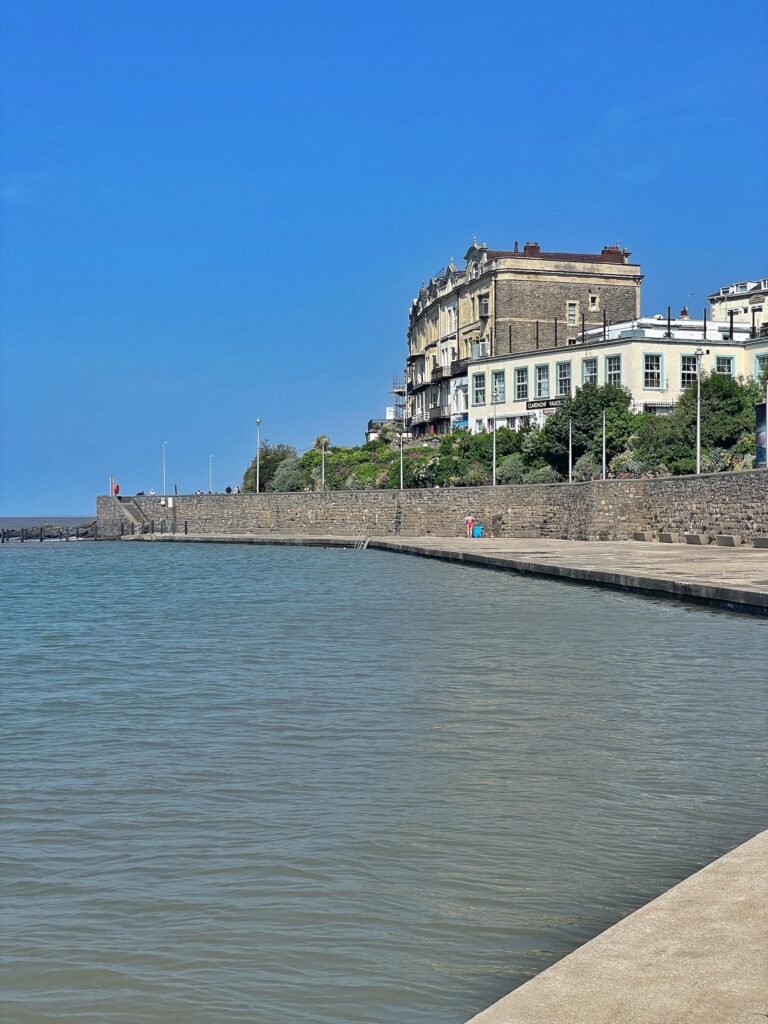
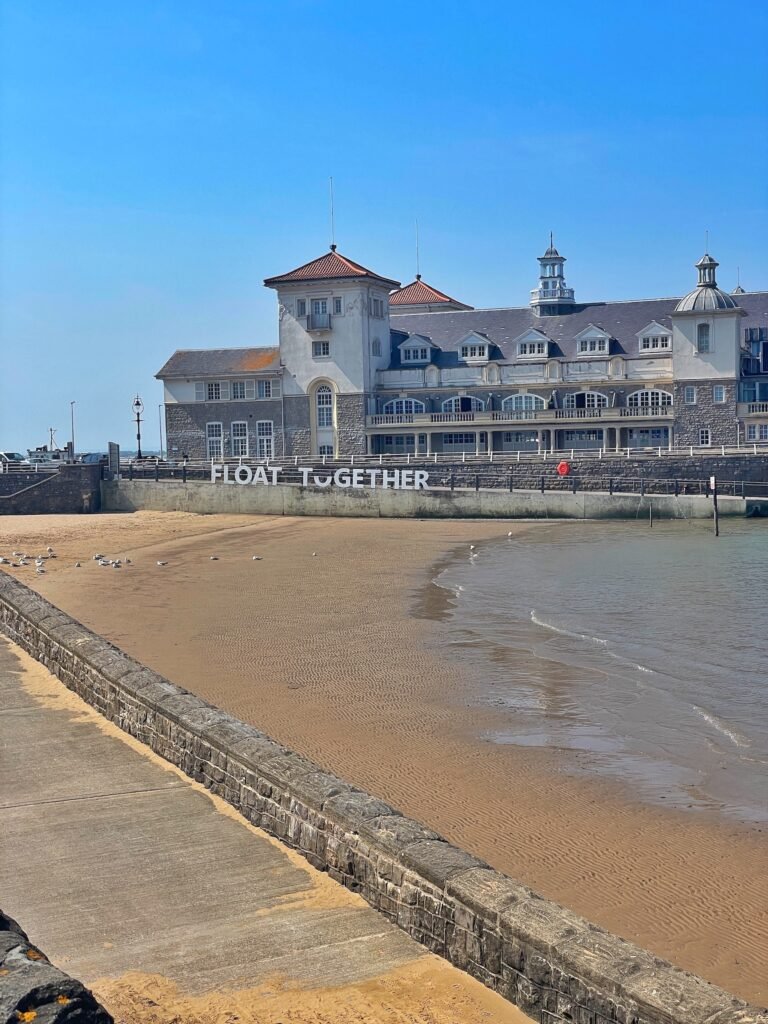
The North Somerset coastal town of Weston sometimes gets a bad wrap (anyone remember that Bottom sketch with Rik Mayall and Ade Edmonson?), but if you’re looking for an big chunk of beach to run around on, with a few classic English seaside-y shenanigans thrown in, it works pretty well.
Although you can’t swim in the sea here, there’s some great sandcastling to be done on the patch of beach along from the Grand Pier (just watch for the sinking mud signs) and a marine lake. You’ll also find bouncy castles, swing boats, ice cream and donkey rides.
In bad weather, the Grand Pier (a touch on the tacky side, in the best way) is fun for mini rollercoasters, kiddy rides and arcade games.
Read next: Best places to eat in Weston-super-Mare | Best pubs in Weston-super-Mare


47. Watchet Harbour
Best for: a quieter coastal afternoon, art galleries, fossil hunting.
Tucked between Minehead and Bridgwater, the working harbour of Watchet has a fierce literary pedigree (it inspired Coleridge’s Ancient Mariner) and a quiet, slightly Cornish feel. The Esplanade has good cafes, an excellent small museum, the East Quay arts centre with rotating exhibitions, and a beach where serious fossil hunters reliably find ammonites at low tide.
Read next: East Quay Watchet REVIEW

48. Brean and Berrow Beach
Best for: kite flyers, bracing dog walks.
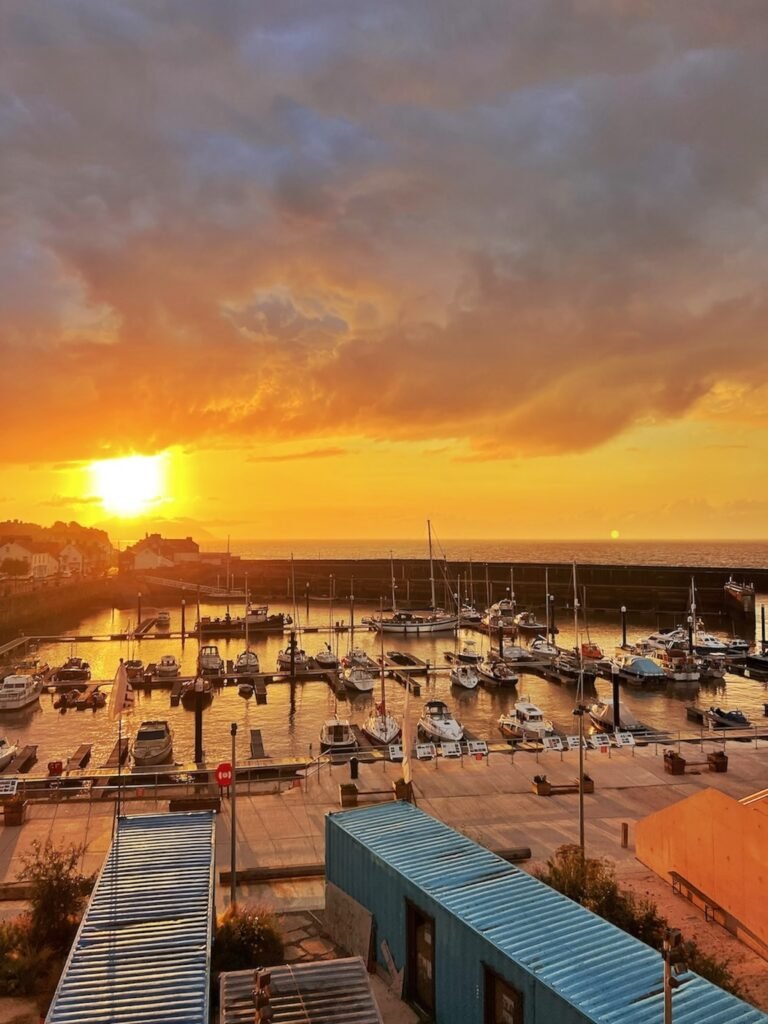
A seven-mile sweep of sand stretching south from Burnham-on-Sea, Brean and Berrow beach is one of the longest in Europe, and depending on the tide, one of the most spectacular. The dunes behind the beach are nationally protected, the sunsets are properly cinematic, and the wide flat sands are perfect for kite-flying, sandcastle-building and bracing dog walks.
Local insight: Watch the tides carefully. The sea retreats so far at low tide that families regularly underestimate how long it takes to walk back, and the mud flats are not safe.
49. Porlock Weir
Best for: Exmoor edge walks, chocolate-box villages, oysters!
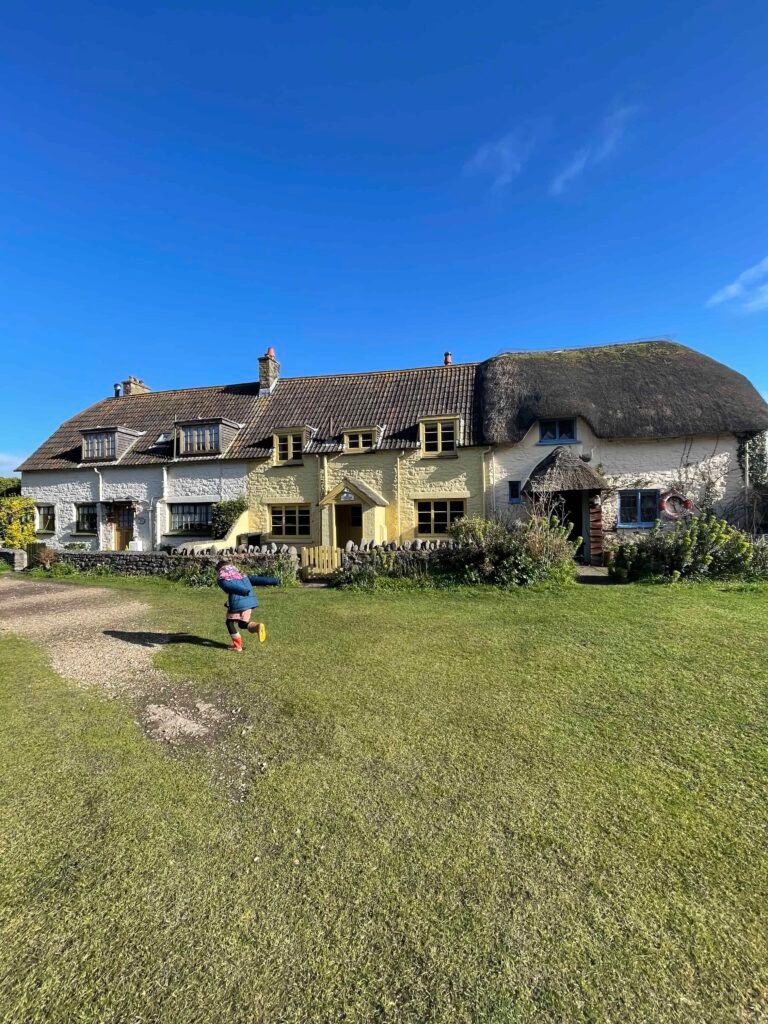
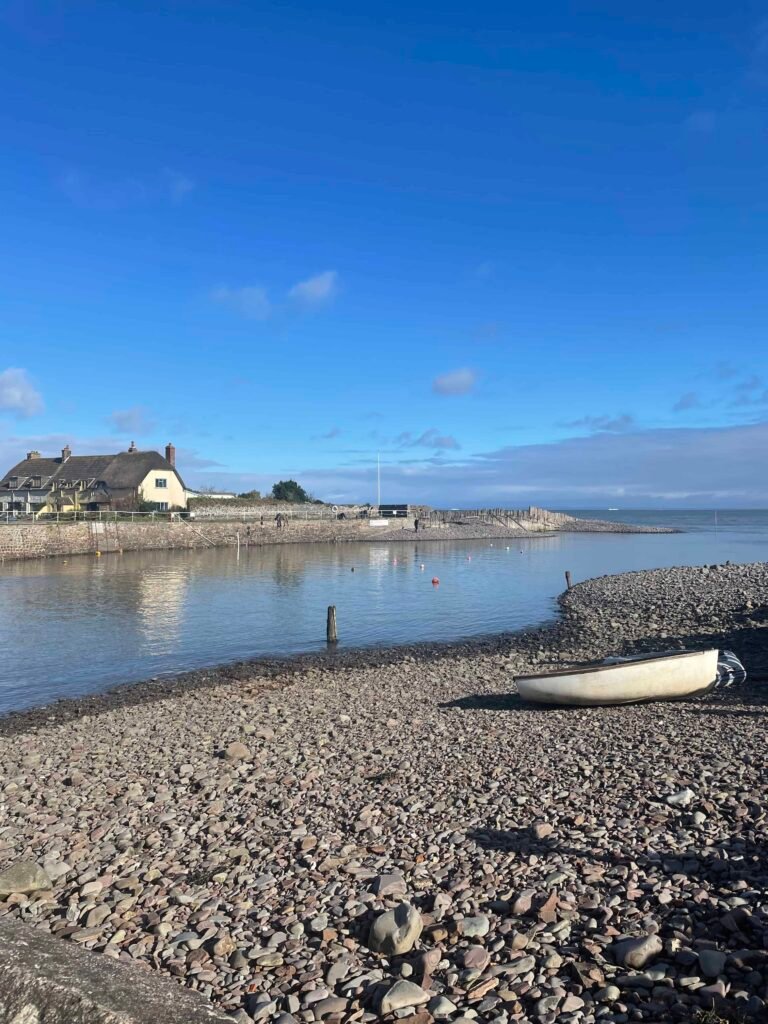
At the far western edge of the Somerset coast, where the county meets Exmoor, Porlock Weir is a tiny pebble-beached harbour with thatched cottages, a couple of pubs and views back across the bay that have inspired poets for centuries. Just inland, the National Trust village of Selworthy, with its limewashed cottages clustered around a green, is one of the most photographed villages in the south-west.
50. St Audries Bay Waterfall
Best for: fossil hunters, photographers chasing the perfect Somerset shot.
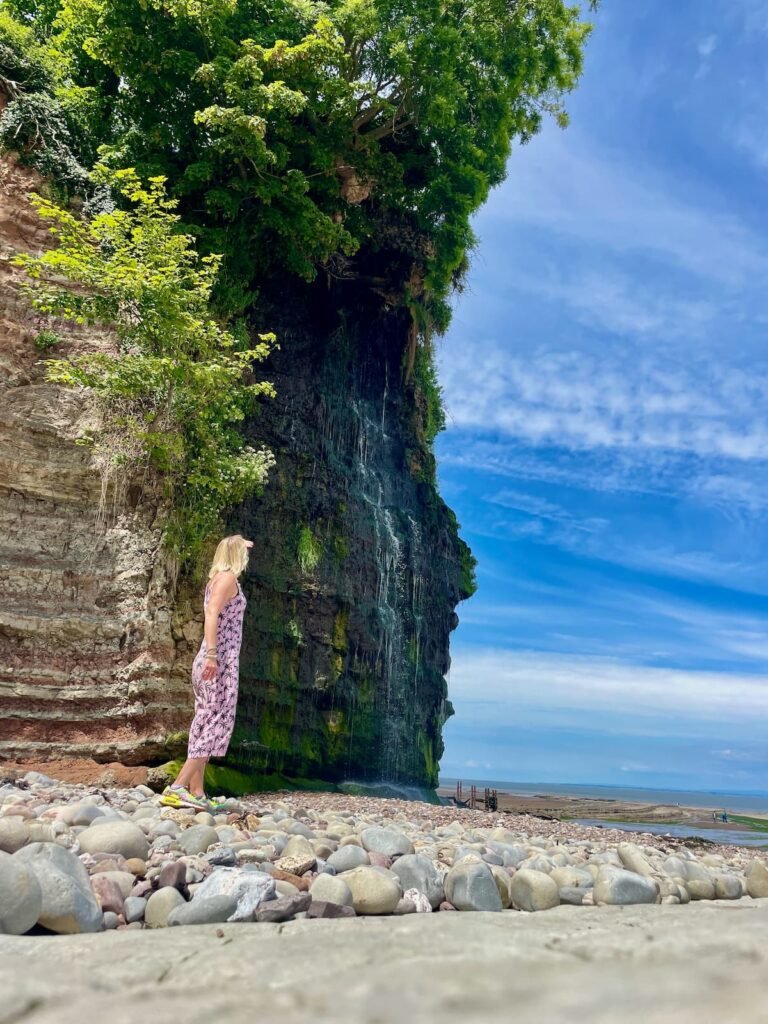
Tucked into the cliffs at West Quantoxhead, between Watchet and Minehead, St Audries Bay hides a spectacular waterfall that somehow still feels like a local secret. A ribbon of water plunges down a cliff straight onto the rocky beach.
The shoreline is a serious fossil-hunting spot too: keep your eyes on the loose rocks at the base of the cliffs and you may turn up ammonites.
Local insight: Check tide times before you set off – the waterfall can only be reached at low tide. You can only reach the waterfall on foot, but to get to the carpark use post code: TA4 4DP or ///steps.cakewalk.exhale.
Drive down a pretty track in to a caravan site called; The Home Farm Holiday Centre where you’ll find a small car parking area for day visitors where you can park all day for around £4. To reach the waterfall, follow the downhill path thats signposted from the carpark. There is a short, steep sloped path down the cliff to the beach (not buggy-friendly!)

Best places to eat and drink in Somerset
Somerset’s food scene is growing hotter by the day thanks to a generation of farm-to-fork pubs, neighbourhood bakeries and serious chefs setting up shop in the county.
For full guides, head to:
- Best Somerset gastropubs
- Horrell & Horrell, farm-to-fork review
- 19 best farm shops in Somerset
- Best cafes in Somerset for brunch
- REVIEW: Holm Somerset, South Petherton
Where to stay in Somerset
Somerset has the full lodging spectrum: thatched cottages, working farm stays, hot-tubbed shepherd’s huts, country-house hotels and the occasional treehouse.
Boutique boltholes
For grown-up weekends, head to The Newt in Somerset (for a small fortune), The Pig near Bath, At The Chapel in Bruton, Babington House and The Talbot Inn at Mells all deliver beautiful rooms and brilliant food. Bath, of course, is on the doorstep.
Search boutique hotels in Somerset on Booking.com
Family-friendly cottages and farm stays
If you have got kids and a car-load of buckets, spades and welly boots, a self-catering cottage is almost always the right call. Sykes Cottages and Holiday Cottages both have strong Somerset inventories, including working farms where the kids can help with morning feeds.
Browse Somerset cottages on Sykes
Glamping, shepherd’s huts and treehouses
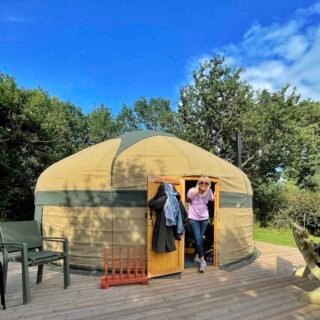
Somerset does glamping particularly well. Read next: Family glamping in Somerset or Shepherd’s huts with hot tubs.
Somerset retreats
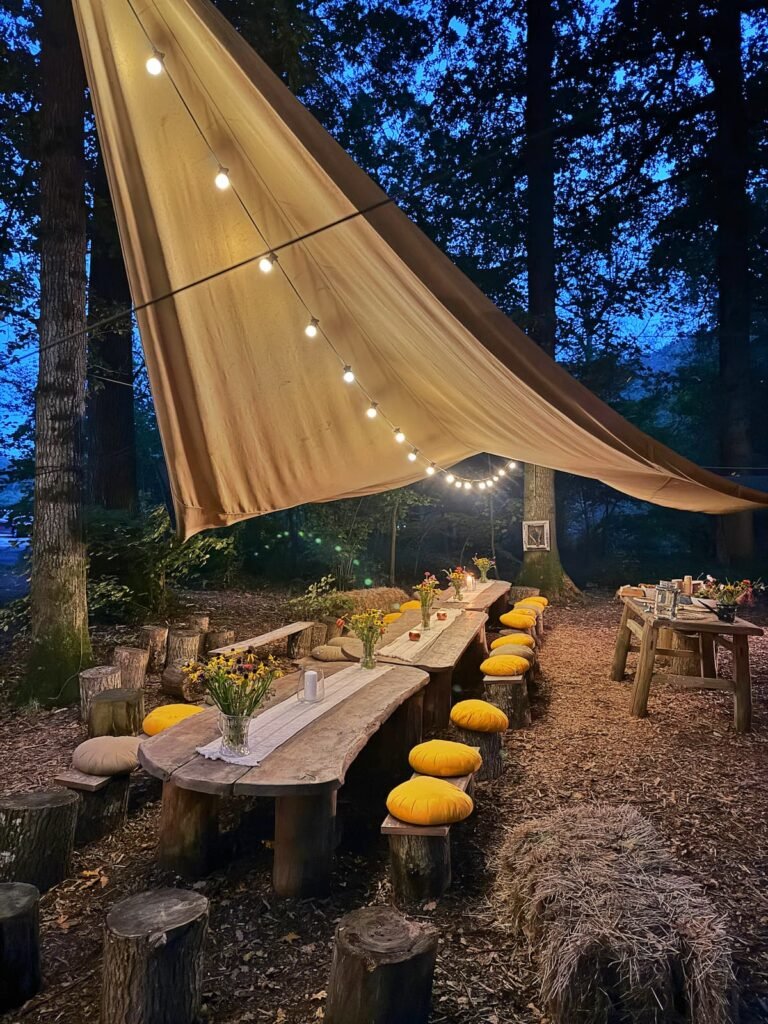
What else is a visit to the countryside for if not to dine in the forest, take a dip in a lake, test out a woodland sauna, tuck into nutritious food, take part in mindful activities and feel rejuvenated. Check out some of Somerset’s wellbeing retreats here.

When to visit Somerset
Spring (March to May)
Snowdrops at Forde Abbey and East Lambrook, lambs at Chew Valley, bluebells in the Quantocks, Somerset gardens at their blooming best.
Summer (June to August)
Festival season, beach days at Clevedon and Weston, sweet peas at Forde Abbey, and maize mazes at Barleymows.
Autumn (September to November)
Pumpkin patches, half-term Halloween trails at National Trust properties, apple picking, the start of apple season.
Winter (December to February)
Christmas illuminations, Somerset Wassails in January, and February snowdrops at Forde.
How to get around Somerset
A car is, frankly, the easiest way to explore Somerset properly. Public transport works for Bath, Wells, Bridgwater and Taunton, but the smaller villages and gardens are tricky without your own wheels.
By train: Great Western Railway runs services to Bath Spa, Bristol Temple Meads, Taunton, Castle Cary, Bridgwater and Weston-super-Mare.
By car: The M5 runs the western length of the county, and the A303 cuts across the south, which is useful if you are coming from London. Build in extra time during summer Saturdays (the A303 to Stonehenge can be horrendous).
By bus: First Bus and Stagecoach cover most of the county. The 376 is a useful link between Bristol, Wells and Glastonbury.
Down Somerset Way is a free online resource designed to help you plan your Somerset adventures. If you’ve found it helpful, you can show your support by buying me a coffee. Thank you!





14 Comments